
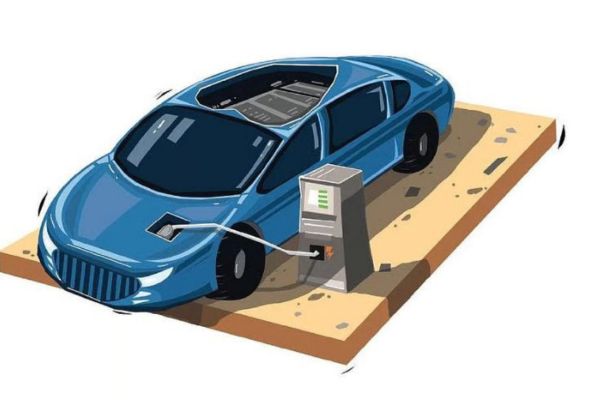
Kerala is witnessing a notable decline in electric vehicle (EV) registrations, highlighting a slowdown in the state’s shift toward sustainable mobility. In 2023, the state recorded 75,812 battery-operated vehicles (BOVs), averaging around 6,317 per month. This number fell by 20% in 2024 to 60,353, and as of September 2025, only 17,114 EVs have been registered, with monthly figures dropping to roughly 1,900.
A major reason behind this decline is the Kerala governments removal of the 50% road tax concession for EVs. Initially introduced to boost EV adoption, this incentive helped reduce upfront costs for buyers. Its withdrawal has made EV purchases more expensive, discouraging potential buyers from making the switch.
Infrastructure challenges have further slowed adoption. The Kerala State Electricity Board (KSEB) now requires households installing EV chargers to include an Earth Leakage Circuit Breaker (ELCB), adding to installation costs and complexity. The state has 63 fast-charging stations and 1,169 pole-mounted chargers, along with about 800 private charging points, but there are currently no plans for expansion, limiting convenient access for EV owners.
Safety concerns have also impacted consumer confidence. Reports of EV fires and worries about battery longevity have made potential buyers cautious. Many consumers are now leaning toward hybrid vehicles, perceived as more reliable and convenient given the limited infrastructure and safety uncertainties.
The trend in Kerala reflects a wider national pattern. India registered 5.12 lakh EVs in 2025, down from 15.32 lakh in 2023. Policy changes, insufficient infrastructure, and safety apprehensions are driving many buyers toward hybrids, not only in Kerala but across other regions as well.
Experts recommend that to revive EV adoption in Kerala, the government should reinstate financial incentives, expand charging infrastructure, and address safety concerns. Implementing these measures is crucial to restore consumer confidence and support the state’s transition toward sustainable electric mobility.


 registrations, highlighting a slowdown in the state’s shift toward sustainable mobility.)