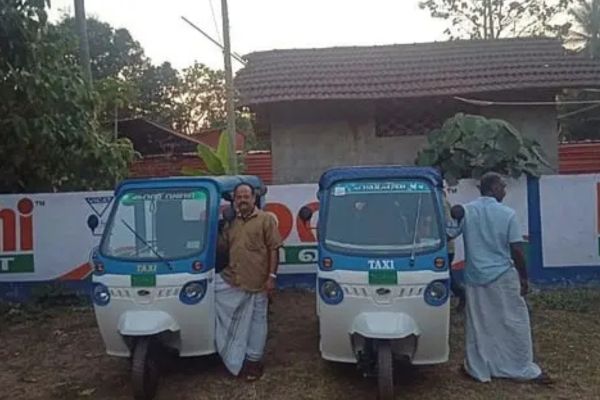
Kozhikode is confronting a critical shortage of electric vehicle charging infrastructure, leaving many e-autorickshaw drivers in distress despite strong government encouragement to adopt cleaner transport options. The push toward sustainable mobility has seen thousands of drivers switch to electric three-wheelers, but the charging network has failed to keep pace with demand, according to local unions and media reports.
Representatives from the Kozhikode District Auto-Taxi Light Motor Workers’ Union say the city’s existing charging facilities are grossly inadequate. Of the many EV chargers installed by the Kerala State Electricity Board (KSEB) on lampposts and other sites, fewer than ten are currently operational across the city, far below the number needed to serve the roughly 2,500 e-autorickshaws in circulation.
According to union member T.V. Noushad, the lack of functional charging points is disrupting daily operations for drivers who were promised easy access to infrastructure when they purchased their vehicles. Many drivers now find themselves forced to shorten routes or return to base prematurely, undermining both their earnings and broader clean transport goals.
The situation has prompted direct appeals to senior officials, with unions citing bureaucratic hurdles that have stalled the rollout of new charging facilities. Technical issues flagged by KSEB when attempting to activate additional chargers require approvals that have yet to be granted by the State government, prolonging delays in addressing the infrastructure gap.
Local stakeholders have suggested that under-utilised spaces, such as areas beneath flyovers, could be repurposed as secure EV charging hubs. Such locations, they argue, would allow drivers to charge without causing disruptions to traffic or pedestrians, helping to expand capacity relatively quickly while alleviating congestion at the few working stations.
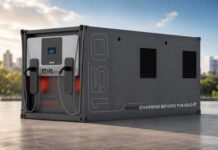
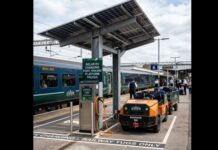
In response, the KSEB has put forward proposals to establish new charging stations at 128 sites across Kerala under the central government’s PM Electric Drive Revolution in Innovative Vehicle Enhancement Scheme. The plans envisage modern facilities capable of supporting not only light commercial EVs like autorickshaws but also heavier electric trucks, signalling broader ambitions to strengthen the state’s EV ecosystem.