Researchers at Nankai University have successfully tested a next-generation semi-solid-state battery capable of delivering more than 1000 km driving range in an electric vehicle demonstration. The real-vehicle test highlights the growing potential of advanced battery technologies to improve EV range and safety.
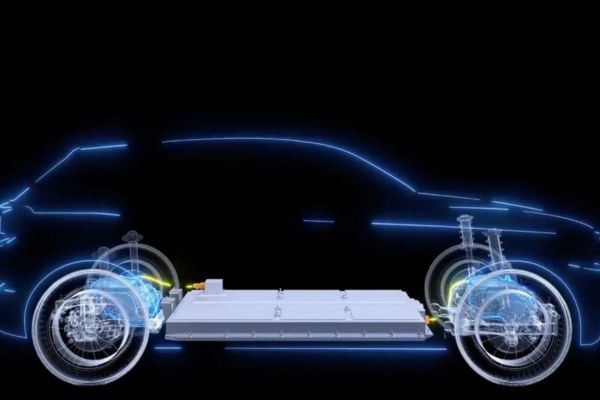
The project was developed in partnership with China FAW Group, where the battery was installed in a prototype electric vehicle for testing. The semi-solid battery uses a combination of solid and liquid electrolytes, which helps improve stability while maintaining high energy performance compared to conventional lithium-ion batteries.
According to the research team, the battery achieves an energy density of around 500 Wh/kg at the cell level and approximately 288 Wh/kg at the battery pack level. The battery pack capacity is reported to be about 142 kWh, which enabled the test vehicle to achieve a driving range exceeding 1000 km on a single charge under demonstration conditions.
Safety was also a key focus of the development. Researchers integrated advanced thermal management and protective materials to improve battery stability and reduce safety risks such as overheating. The semi-solid design is also expected to improve lifecycle performance and reliability.
The university team also revealed that further development is ongoing. Future versions of the battery are expected to reach pack energy density of over 340 Wh/kg and capacity beyond 200 kWh, which could potentially enable EV ranges of up to 1600 km in the future.
This achievement reflects the rapid global progress in semi-solid and solid-state battery research. If successfully commercialized, such battery technologies could help make electric vehicles more efficient, safer, and capable of significantly longer driving ranges than current battery solutions.