Ultium Cells has announced plans to diversify production at its Spring Hill battery manufacturing facility by introducing lithium iron phosphate batteries for energy storage systems. This strategic move highlights the company’s effort to expand its presence beyond electric vehicle batteries and strengthen its role in the growing energy storage sector.
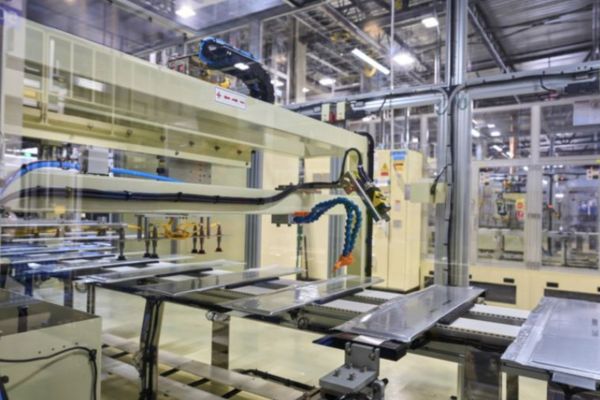
The Spring Hill facility is operated by Ultium Cells, a joint venture between General Motors and LG Energy Solution. The plant is being upgraded to support LFP battery cell production, which is considered a cost-effective and safer alternative compared to nickel-based lithium-ion batteries.
LFP batteries are widely used in energy storage applications because of their longer life cycle, thermal stability, and lower dependence on expensive materials like cobalt and nickel. These advantages make them suitable for stationary storage systems that support renewable energy integration and grid reliability.
The company’s decision also reflects changing market dynamics, where demand for energy storage solutions is rising rapidly. At the same time, battery manufacturers are looking to balance production between EV batteries and stationary storage to better utilize manufacturing capacity.
Ultium Cells is building on its earlier multibillion-dollar investment in the Spring Hill facility, which is part of its broader plan to strengthen battery manufacturing capabilities in the United States. The expansion is also expected to improve operational flexibility by allowing the production of multiple battery chemistries at the same location.
With this diversification, Ultium Cells aims to strengthen its battery portfolio while supporting the global transition toward clean energy. The addition of LFP battery production for energy storage applications is expected to help the company address future demand while contributing to the development of sustainable energy infrastructure.