The Global Amphibious Automobile Market is a niche yet innovative segment within the automotive and marine industries. Amphibious vehicles capable of operating on both land and water are gaining attention for their versatility, unique functionality, and expanding applications across defense, tourism, and recreational sectors.
Understanding Amphibious Automobiles
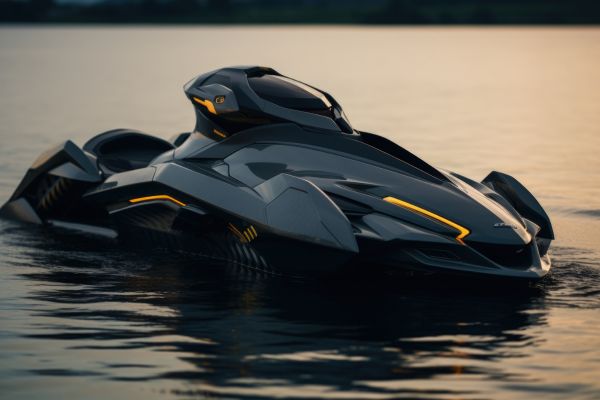
Amphibious automobiles are specially engineered vehicles that can seamlessly transition between road and water. These vehicles integrate automotive and marine technologies, allowing them to function as both cars and boats.
Key features include:
- Waterproof and corrosion-resistant body structures
- Propulsion systems for both land (wheels) and water (propellers or jet drives)
- Sealed drivetrains and buoyancy systems
- Navigation and safety equipment for dual environments
They are used in:
- Recreational and tourism activities
- Military and rescue operations
- Emergency response and disaster management
Market Outlook and Growth Trajectory
The global amphibious automobile market is witnessing gradual but steady growth:
- Estimated market size of USD 250–300 million in 2025
- Expected to reach USD 600–900 million by 2035
- Growing at a CAGR of ~8%–10%
Growth is driven by increasing demand for multifunctional vehicles and advancements in vehicle design and materials.
Key Growth Drivers
Rising Demand for Unique Recreational Experiences
Tourism operators are increasingly adopting amphibious vehicles for sightseeing tours, especially in coastal and waterfront cities.
Expansion of Defense and Rescue Applications
Military and emergency services use amphibious vehicles for operations in flood-prone areas, coastal regions, and disaster scenarios.
Technological Advancements
Innovations in lightweight materials, propulsion systems, and waterproofing technologies are improving vehicle performance and reliability.
Growing Interest in Specialty Vehicles
Consumers seeking unique and premium mobility experiences are driving demand for amphibious cars in niche markets.
Emerging Industry Trends
Development of Electric Amphibious Vehicles
Manufacturers are exploring electric propulsion systems to improve sustainability and reduce emissions.
Improved Safety and Compliance Standards
New designs focus on enhanced buoyancy, stability, and compliance with both automotive and marine regulations.
Integration of Smart Features
Advanced navigation, GPS, and connectivity features are being incorporated to enhance usability and safety.
Customization and Luxury Offerings
High-end amphibious vehicles are being developed with luxury interiors and personalized features.
Market Segmentation Insights
By Application
- Tourism and recreation (largest segment)
- Defense and military
- Rescue and emergency services
By Propulsion Type
- Internal combustion engine (dominant)
- Electric propulsion (emerging segment)
By Vehicle Type
- Passenger amphibious cars
- Utility and military amphibious vehicles
Regional Insights
- North America leads due to strong recreational vehicle demand and tourism applications
- Europe shows steady growth with increasing adoption in tourism and specialty mobility
- Asia-Pacific is an emerging market driven by coastal tourism and disaster management needs
Market Challenges
Despite its innovative potential, the market faces several challenges:
- High manufacturing and maintenance costs
- Complex regulatory requirements (automotive + marine compliance)
- Limited consumer awareness
- Performance trade-offs between land and water capabilities
Competitive Landscape
The market is highly niche, with a limited number of specialized manufacturers, including:
- Gibbs Amphibians
- CAMI Automotive
- WaterCar
- Rinspeed
These companies focus on innovation, performance, and niche customer segments.
Future Outlook
The future of the amphibious automobile market lies in innovation, sustainability, and expanding use cases. As urban flooding, tourism demand, and defense applications grow, amphibious vehicles are expected to gain more relevance.
With advancements in electric propulsion, lightweight materials, and smart technologies, the market is poised for steady expansion—positioning amphibious automobiles as a unique and versatile solution in the evolving mobility landscape.