
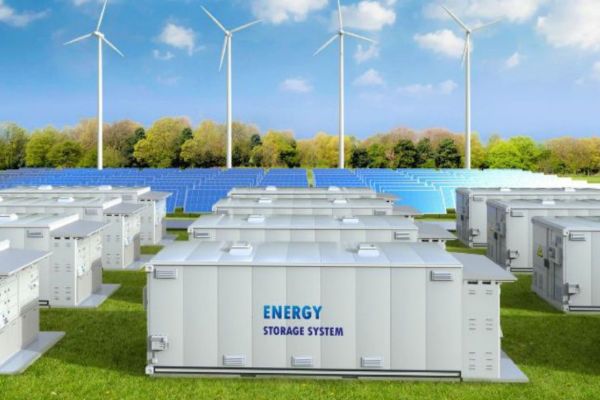
Andhra Pradesh is taking a major step toward strengthening its power infrastructure with plans to deploy large-scale battery energy storage systems (BESS) across the state. The initiative aims to enhance grid reliability, ensure stable electricity supply, and support the growing share of renewable energy in the state’s power mix.
Under this ambitious plan, the state targets a total battery storage capacity of 3,000 MWh, which will be implemented in phases. The first phase is expected to deliver around 1,000 MWh of capacity by early 2027, with tenders likely to be issued soon to attract private sector participation and technical expertise.
The battery storage systems will play a crucial role in balancing power demand and supply. By storing excess solar energy generated during the day and releasing it during peak evening hours, the system will help optimize renewable energy usage and reduce dependency on conventional power sources.
One of the biggest advantages of this rollout is the potential reduction in power costs. Officials estimate that peak electricity purchase costs could drop significantly—from around ₹10 per unit to nearly ₹4.85—leading to substantial annual savings and improved financial efficiency for distribution companies.
The project is expected to require an investment of approximately ₹1.68 crore per MWh, with financial support likely through central assistance and viability gap funding. Authorities are also exploring co-locating storage systems with solar and wind plants to maximize efficiency and reduce transmission losses.
Overall, this large-scale battery storage initiative is set to transform Andhra Pradesh’s energy landscape. By improving power quality, reducing outages, and enabling better integration of renewable energy, the state is positioning itself for a more reliable, cost-effective, and sustainable energy future.


