Lebanon is planning to expand its renewable energy capacity under a proposed national energy investment programme that includes 800 MW of solar power and 440 MW of wind energy. The programme also covers battery energy storage systems and regional electricity interconnections as part of a wider plan to improve electricity supply and strengthen the country’s power sector.
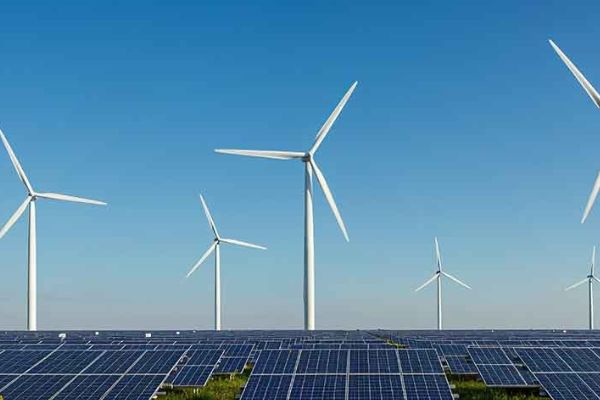
Under the proposed programme, Lebanon intends to develop 800 MW of solar power capacity and 440 MW of wind energy projects. These renewable energy developments are intended to diversify the country’s electricity generation mix and support efforts to improve the reliability of its power supply. The capacities form part of the proposed plan and should not be considered operational installations.
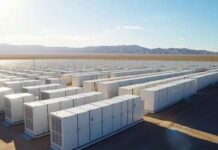
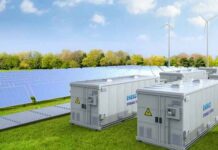
Battery energy storage systems are also included in the programme. These systems can store electricity generated from renewable sources and supply it when needed, helping manage variations in solar and wind power generation. Their inclusion could support the integration of renewable electricity into Lebanon’s power network.
Lebanon has faced prolonged electricity supply challenges, with households and businesses relying on private diesel generators to meet some of their electricity needs. The proposed programme aims to address the country’s power-sector challenges through a combination of renewable energy development, battery storage and electricity infrastructure improvements.
Regional electricity interconnections are another component of the proposed investment programme. These connections could support electricity exchanges with neighbouring countries and provide additional flexibility in managing power supply. The plan also aims to attract private investment and project financing, although the financing arrangements and implementation requirements remain subject to further development.
If implemented, the proposed 800 MW solar and 440 MW wind projects could contribute to Lebanon’s efforts to diversify its energy mix and improve electricity supply. The programme combines renewable energy, battery storage and regional electricity connections within a broader plan to strengthen the power sector. Its implementation remains dependent on the necessary approvals and progress in developing the proposed projects.