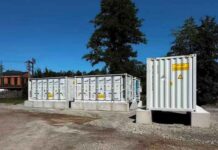
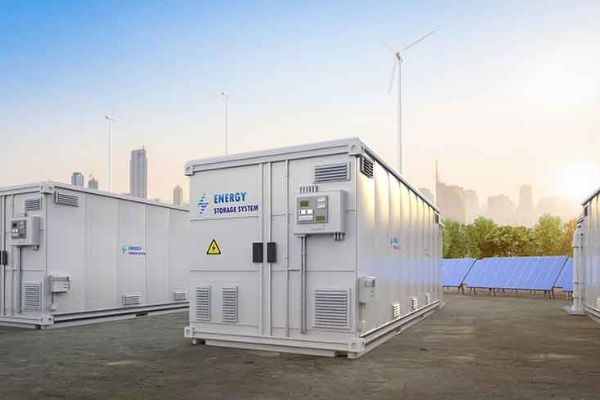
AmpereHour Energy has partnered with IndiGrid as the Battery Energy Storage System (BESS) integration partner for its recently commissioned 250 MW/500 MWh standalone battery storage project in Rajasthan. Located in western Rajasthan, the project is connected to the 765 kV Bhadla-III pooling substation and adds utility-scale energy storage capacity to the state’s power infrastructure.
The facility has a power capacity of 250 MW and an energy storage capacity of 500 MWh, allowing it to deliver electricity at its rated output for up to two hours. The system is designed to store electricity when available and discharge it when required, supporting peak demand management and renewable energy integration.
AmpereHour Energy engineered and integrated the AC-coupled battery energy storage system, which comprises modular 40 MWh/20 MVA blocks and a centralised Power Plant Controller (PPC). The controller coordinates plant operations and supports applications such as peak shifting and frequency support.
The facility is managed through AmpereHour Energy’s proprietary ELINA Energy Management System (EMS), which oversees battery operations and coordinates with state and regional load dispatch centres. Rahul Shelke, Managing Director and Co-Founder of AmpereHour Energy, highlighted the importance of large-scale battery storage in making electricity available when the grid needs it most, supporting renewable energy integration and responding to changing power demand.
IndiGrid Managing Director Harsh Shah said battery storage is becoming increasingly important as renewable energy accounts for a larger share of India’s electricity mix. He noted that the commissioning of the Rajasthan project marks an important milestone in the company’s efforts to convert energy storage plans into operational infrastructure and strengthen grid stability.
The Rajasthan facility is IndiGrid’s third battery energy storage project and adds to India’s growing deployment of standalone BESS infrastructure. As renewable energy capacity continues to expand, battery storage is expected to play a greater role in balancing electricity demand, improving grid flexibility and supporting reliable power supply.