

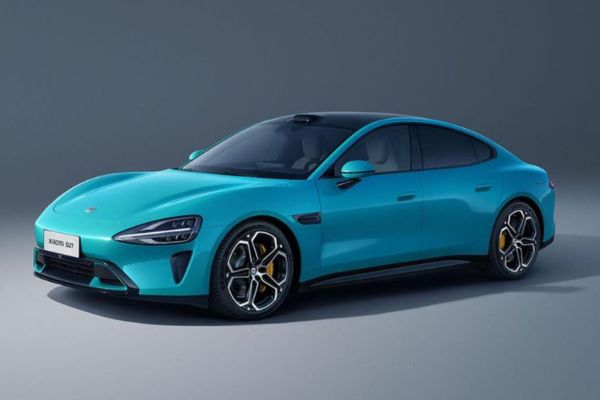
Chinese technology powerhouse Xiaomi is gearing up to take its electric vehicle (EV) business global, announcing plans to enter the European market by 2027, positioning itself to rival industry leaders like Tesla and BYD. The company has already sparked significant interest with its home-market EVs, notably the SU7 sedan, as it moves to extend its mobility strategy beyond smartphones and electronics.
In China, Xiaomi’s EV operations are riding a growth surge: delivering a record 81,302 cars in Q2 2025 — up nearly 198% year-on-year, with automotive revenues tripling to over 20.6 billion yuan. The company’s losses are narrowing sharply, with its automotive division edging toward profitability.
Leading the market push are Xiaomi’s flagship EV models the SU7 and YU7. The YU7 SUV has especially drawn attention, boasting rapid charging and long range, triggering 289,000 pre-orders within its first hour of availability. In a bold display of motorsport prowess, the SU7 Ultra took the coveted fastest mass-production EV lap at Nürburgring, beating top contenders like Tesla and Porsche.
Xiaomi’s leadership, including President Lu Weibing and CEO Lei Jun, emphasizes that the company’s expansion will be measured and strategic. Dominating the domestic market is a priority, as international ambitions hinge on production capacity and delivery resilience.
On the preparation front, Xiaomi is actively scouting European markets and has even registered its SU7 Ultra with a German license plate for experimental purposes. The setup of a European R&D hub, staffed with former BMW and Formula 1 engineers, signals the brand’s commitment to adapt to local tastes and technical standards.
Analysts suggest that if Xiaomi leverages its tech-savvy, competitive pricing, and growing brand familiarity especially among European consumers it could disrupt the regional EV landscape just as it reshaped the smartphone industry a decade ago.

 business global, announcing plans to enter the European market by 2027.)