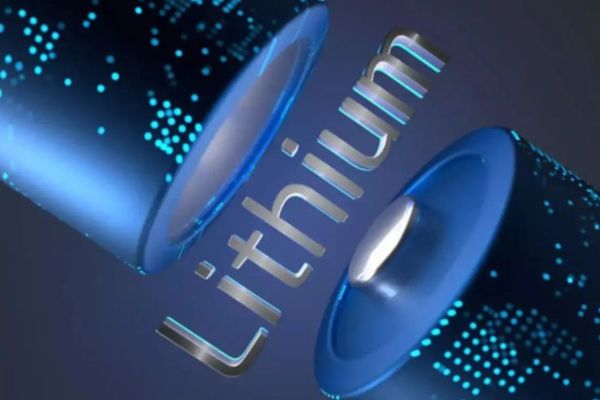
Maruti Suzuki Chairman R. C. Bhargava has warned that India’s heavy reliance on imported lithium and rare-earth materials poses a serious threat to the nation’s electric vehicle (EV) manufacturing aspirations. Speaking at a recent event, he highlighted that such supply vulnerabilities particularly dependence on China are deterring investment in domestic EV battery production.
Bhargava flagged China’s recent restrictions on rare-earth magnet exports as a clear warning sign. He cautioned that unpredictability in supply chains is discouraging investors from committing to battery-cell manufacturing projects in India. According to him, lithium import reliance remains one of the most critical roadblocks to scaling the Indian EV industry.
Building battery-cell plants is capital-intensive, with costs running up to ₹20,000 crore, said Bhargava. In the absence of assured raw material supplies, investors remain hesitant to move forward with such large-scale ventures.
On a positive note, Bhargava announced that Maruti Suzuki’s subsidiary, TDS Lithium-Ion Battery Gujarat Pvt Ltd (TDSG), has achieved a significant milestone: localized manufacturing of lithium-ion battery cells at the electrode level. These batteries are now being used in the hybrid systems of the Grand Vitara SUV—marking a first in the country.
Yet, he underscored that true progress hinges on broader strategic action. He stressed the need to diversify raw-material sourcing and build resilient supply chains to support scaling up battery manufacturing in India.
Industry experts suggest that achieving long-term EV growth will require developing domestic lithium reserves, forging strategic global partnerships, and ramping up recycling initiatives to reduce import dependence. Bhargava reiterated Maruti’s commitment to India’s EV future, but emphasized that self-reliance in raw materials remains crucial for sustainable advancement.