
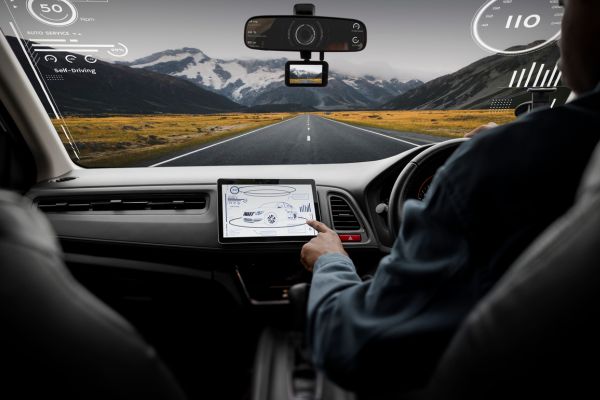
Advanced driver assistance systems refer to technologies that help improve vehicle safety, comfort, and driving performance. These systems use a combination of sensors and cameras to monitor the surroundings of the vehicle. They help assist the driver in making safer decisions. They also help reduce road accidents.
Advanced driver assistance systems have become an essential part of modern automotive technology. These systems help improve road safety with real-time alerts and automated actions. Features such as automatic emergency braking, lane keeping assist, and adaptive cruise control help prevent accidents and make driving comfortable and efficient. This drives the demand for advanced driver assistance systems in the automotive sector.
Advanced driver assistance systems collect real-time data from the vehicle. The attached cameras help detect lane markings and traffic signs. They use radar sensors to measure the distance and speed of objects ahead. They also use ultrasonic sensors to assist with close-range detection. The collected information is processed by electronic control units that analyze the data and determine whether action is required. If the system detects a potential risk, it provides warnings to the driver.
Demand trends and competitive landscape in advanced driver assistance systems
There is an increase in increasing focus on road safety. Governments and safety organizations introduce regulations that require new vehicles to include advanced safety features. There is also an increase in awareness about safety ratings among the consumers. Hence, they prefer vehicles equipped with driver assistance technologies. These features help improve system performance without the need for physical modifications to the vehicle. This increases the demand for advanced driver assistance systems.
However, the system performance can be affected by adverse weather conditions, which limits the growth of the advanced driver assistance systems. Clear road markings and proper infrastructure play an important role for effective functioning of lane-based features. In addition, proper driver awareness and training are also required to ensure safe and responsible use of these technologies. These factors are anticipated to limit the growth of the sector. Nevertheless, improvements in sensors and semiconductors help enhance system accuracy and reliability. There has been a gradual decrease in the cost of radar and camera technologies which increase the affordability of advanced driver assistance systems.
Highway driving assistance enabled by advanced driver assistance systems
Advanced driver assistance systems are used across a wide range of vehicles to enhance safety, comfort, and driving performance. These technologies help drivers manage driving easily in passenger cars. This helps reduce the chance of unintentional drifting. Features link blind spot detection warn drivers of vehicles in adjacent lanes. This also helps in smooth driving experience for the drivers.
Advanced driver assistance systems also play an important role in commercial vehicles. These vehicles use driver monitoring technologies. These technologies help detect signs of fatigue and alert the driver to take breaks. The integration of advanced driver assistance systems in commercial fleets also helps improve fuel efficiency. It also helps reduce maintenance costs. This drives the adoption of advanced driver assistance systems in passenger and commercial vehicles across the automotive sector.
Impact of artificial intelligence
Artificial intelligence drives the development of the advance driving assistance systems. It helps recognize pedestrians, cyclists, and vehicles while driving. Further, it also helps combine data from radar and camera to create an understanding of the surroundings. This helps reduce false alarms. This integrated approach increases safety and driver trust in advanced driver assistance systems features. This is anticipated to boost the growth of the advanced driver assistance system sector in the upcoming years.
Regional outlook for advanced driver assistance systems
North America holds the major share of the advanced driver assistance systems sector. This is attributed to innovations in technology and surge in consumer demand for vehicle safety features. The presence of major automotive manufacturers and technology companies supports research and development activities in this region. Europe witnesses growth due to strict safety regulations across the region. Many safety features are becoming mandatory, which directly increases the demand for these technologies in Europe. The Asia-Pacific region is expected to experience growth. This is due to rise in disposable incomes and increase in urbanization across the region. Governments in the region are gradually introducing safety standards that promote advanced driver assistance systems adoption. LAMEA is anticipated to witness moderate growth owing to price sensitivity, limited regulatory enforcement, and infrastructure challenges.
Conclusion
Advanced driver assistance systems help enhance safety in vehicles. They help improve driving comfort as well as support the move toward automated mobility. They help reduce accidents as well. These systems further create a secure driving experience for the individual. They use advanced sensors, intelligent software, and continuous innovation to enhance the overall driving experience of the end user. These systems are poised to foster the growth of the transportations industry in the upcoming years.