According to Research Intelo,the Global EV Battery Cell Sorter Electronics market size was valued at $1.25 billion in 2024 and is projected to reach $4.18 billion by 2033, expanding at a robust CAGR of 14.2% during the forecast period of 2025–2033. The principal driver fueling this remarkable growth is the accelerating global adoption of electric vehicles (EVs), which has significantly increased the demand for high-quality, efficiently sorted battery cells. As manufacturers strive to enhance battery performance, reliability, and safety, the role of advanced cell sorter electronics becomes indispensable, ensuring stringent quality control and optimal assembly processes in battery manufacturing lines worldwide.
What is EV Battery Cell Sorting?
Battery cell sorting is the process of evaluating and categorizing individual cells based on key parameters such as voltage, internal resistance, capacity, and temperature behavior. Since even cells from the same production batch can vary slightly, sorting ensures uniformity within a battery pack.
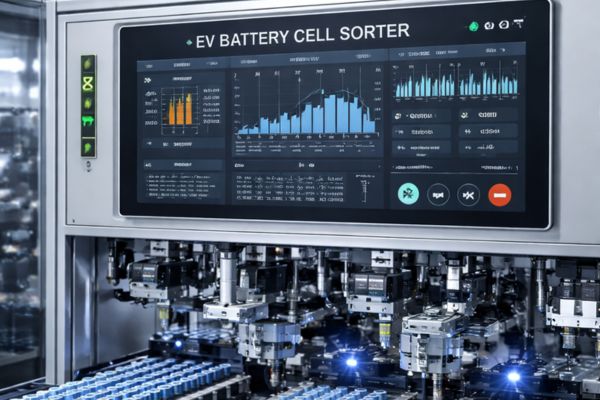
Sorter electronics act as the “brain” of this system. They collect real-time data, analyze it with precision algorithms, and direct each cell into its appropriate category. This intelligent classification minimizes imbalance and maximizes battery performance.
The Role of Electronics in Cell Sorting Systems
Advanced Measurement Capabilities
Modern sorter electronics are equipped with high-precision sensors and testing modules. These systems can measure minute differences in voltage and resistance, ensuring that even the smallest inconsistencies are detected.
Data Processing and Automation
Sorter electronics leverage microcontrollers and embedded software to process large volumes of data instantly. Automated decision-making allows for high-speed sorting without compromising accuracy, which is essential for large-scale EV battery manufacturing.
Integration with Smart Manufacturing
With the rise of Industry 4.0, sorter electronics are increasingly integrated with cloud systems and factory automation platforms. This enables real-time monitoring, predictive maintenance, and improved traceability of each battery cell.
Key Components of EV Battery Cell Sorter Electronics
Sensing and Testing Units
These units perform electrical and thermal tests on each battery cell. High-resolution sensors ensure precise readings, forming the foundation of accurate sorting.
Control Systems
Embedded processors or programmable logic controllers (PLCs) manage the entire sorting workflow. They execute algorithms that classify cells based on predefined criteria.
Communication Interfaces
Modern sorter systems include communication protocols such as CAN, Ethernet, or IoT-enabled modules. These allow seamless data exchange with other manufacturing systems.
Actuation Mechanisms
While electronics handle decision-making, actuators carry out the physical sorting process—placing cells into designated bins or conveyor paths.
Why Cell Sorting Matters in EV Batteries
Enhancing Battery Performance
Uniform cells ensure balanced charge and discharge cycles, leading to improved efficiency and longer driving range.
Improving Safety
Mismatched cells can cause overheating or failure. Proper sorting reduces the risk of thermal runaway and enhances overall safety.
Extending Battery Life
Balanced cells degrade more evenly, increasing the lifespan of the battery pack and reducing replacement costs.
Emerging Trends in Cell Sorter Electronics
AI and Machine Learning Integration
Artificial intelligence is being incorporated into sorter electronics to predict cell behavior and optimize classification criteria dynamically.
High-Speed Sorting Systems
As EV demand grows, manufacturers are investing in ultra-fast sorting systems capable of handling thousands of cells per hour without compromising precision.
Compact and Energy-Efficient Designs
New electronic designs focus on reducing energy consumption and system footprint, aligning with the sustainability goals of EV production.
Challenges in EV Battery Cell Sorting
Handling Large Data Volumes
Sorting systems generate massive datasets that must be processed and stored efficiently, requiring robust data management solutions.
Maintaining Accuracy at Scale
As production scales up, maintaining consistent accuracy becomes challenging. Advanced calibration and quality control measures are essential.
Cost vs. Performance Balance
High-end sorter electronics can be expensive. Manufacturers must balance investment costs with performance benefits.
The Future Outlook
According to Research Intelo,the future of EV Battery Cell Sorter Electronics looks promising, driven by rapid advancements in battery technology and increasing EV adoption worldwide. As manufacturers strive for higher efficiency, safety, and sustainability, sorter electronics will continue to evolve—becoming smarter, faster, and more integrated.
In the coming years, innovations in automation, AI, and real-time analytics will transform cell sorting from a supporting process into a strategic advantage. Companies that invest in advanced sorter electronics today are likely to lead the next wave of EV innovation.
Competitive Landscape
- Yamaha Robotics Holdings Co., Ltd.
- Shenzhen Haoneng Technology Co., Ltd.
- Shenzhen Chuangxin Instruments Co., Ltd.
- Shenzhen Zhibolian Technology Co., Ltd.
- Shenzhen Tianma Times Technology Co., Ltd.
- Shenzhen Kayo Battery Co., Ltd.
- Wuxi Lead Intelligent Equipment Co., Ltd.
- Hioki E.E. Corporation
- Chroma ATE Inc.
- Neware Technology Limited
- Arbin Instruments
- MACCOR, Inc.
- KUBT Co., Ltd.
- Nagano Automation Co., Ltd.
- Manz AG
- Hitachi High-Tech Corporation
- TMAX Battery Equipments Limited
- Shenzhen Yihua Computer Equipment Co., Ltd.
- Shenzhen Topband Co., Ltd.
- BST Power (Shenzhen) Limited