
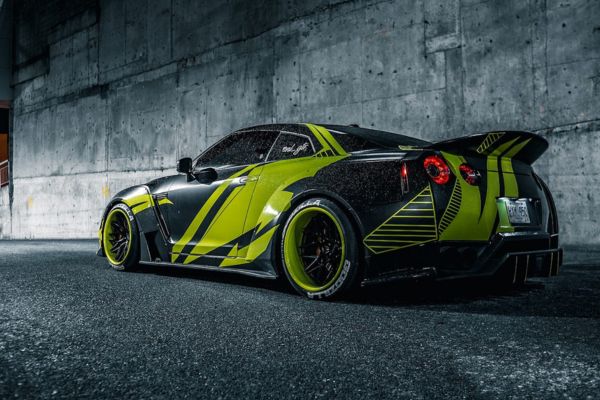
The global Car Modification Market is projected to grow from an estimated USD 51.2 billion in 2023 to USD 92.4 billion by 2032, registering a compound annual growth rate (CAGR) of approximately 6.8% during the forecast period. According to the latest analysis by Introspective Market Research (IMR), the market is being driven by a rising consumer inclination toward vehicle personalization, increasing disposable income, and expanding automotive aftermarket ecosystems.
From aesthetic upgrades to performance tuning and advanced electronics integration, car modification is transitioning from niche enthusiast culture to a mainstream automotive trend. The proliferation of digital platforms, DIY kits, and customization-focused OEM partnerships is further amplifying market momentum.
Quick Insights
- Market Size (2023): USD 51.2 Billion
- Forecast Size (2032): USD 92.4 Billion
- CAGR (2024–2032): ~6.8%
- Leading Region: North America (strong aftermarket culture and customization demand)
- Fastest-Growing Region: Asia-Pacific (rising middle class & car ownership)
- Key Players: 3M, Bosch, Magna International, Denso Corporation, Continental AG
- Top Segment: Exterior & performance modifications
- Key Growth Driver: Rising demand for personalization and performance tuning
- Core Challenge: Regulatory restrictions and safety compliance
Revenue Breakdown & Market Segmentation
| Segment Category | Key Insights |
|---|---|
| Base Year | 2023 – USD 51.2 Billion |
| Forecast Year | 2032 – USD 92.4 Billion |
| Growth Rate | CAGR ~6.8% |
| By Modification Type | Performance (engine tuning, exhaust), Aesthetic (wraps, lighting), Functional (ADAS upgrades) |
| By Vehicle Type | Passenger Cars dominate; SUVs & sports cars fastest-growing |
| By Sales Channel | Aftermarket leads; OEM customization gaining traction |
| By Region | North America leads; APAC fastest-growing |
What’s Driving the Car Modification Boom? What Trends Are Emerging?
Why is the car modification market accelerating globally?
- Personalization as identity: Consumers increasingly view vehicles as an extension of personal style, driving demand for wraps, custom interiors, and lighting systems.
- Performance tuning demand: Enthusiasts and professionals alike are investing in engine upgrades, turbochargers, and exhaust systems.
- Digital & smart upgrades: Integration of infotainment systems, ADAS features, and connected technologies is expanding modification scope.
- Aftermarket ecosystem expansion: E-commerce platforms and modular kits are making customization more accessible.
- EV customization emerging: As electric vehicles grow, demand for battery optimization, software tuning, and aesthetic upgrades is rising.
Regional & Segment Analysis
- North America dominates the market, supported by a strong car culture, high disposable income, and widespread aftermarket service networks.
- Europe focuses on performance tuning and luxury customization, with strict regulatory frameworks shaping product innovation.
- Asia-Pacific is the fastest-growing region, driven by increasing vehicle ownership in China and India, along with rising demand for affordable customization.
Segment-wise:
- Performance modifications lead in value due to higher ticket sizes.
- Aesthetic modifications dominate volume due to accessibility and affordability.
- Passenger cars account for the majority share, while SUVs and sports vehicles show higher customization intensity.
Latest Industry Developments
- Bosch is expanding into connected aftermarket solutions, enabling smart diagnostics and upgrade compatibility.
- 3M continues to innovate in automotive wraps and protective films, offering advanced durability and design flexibility.
- Magna International is collaborating with OEMs to integrate factory-level customization options.
- Continental AG is advancing digital cockpit and smart interior modification technologies.
These developments highlight the shift toward OEM-aftermarket convergence, where customization is increasingly embedded into vehicle design.
Challenges & Cost Pressures
- Regulatory restrictions: Strict emission and safety regulations limit certain modifications.
- High customization costs: Premium upgrades remain expensive for mass-market consumers.
- Compatibility issues: Integration with modern vehicle electronics can be complex.
- Supply chain disruptions: Availability of specialized components can affect timelines and pricing.
Case Study: Performance Tuning in the U.S. Sports Car Segment
A leading aftermarket tuning company partnered with a U.S.-based sports car dealership network to offer performance upgrade packages. The initiative resulted in a 22% increase in customer retention and a 15% boost in per-vehicle revenue, demonstrating how structured modification offerings can drive both customer engagement and profitability.