
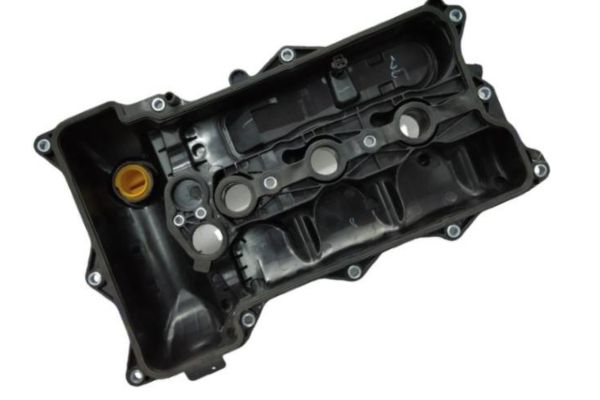
The Global Vehicle Cylinder Head Cover Market plays a vital role in the automotive engine components ecosystem. As engines become more advanced and emission standards tighten, cylinder head covers are evolving from simple protective components into integrated systems that support performance, efficiency, and durability.
Understanding Vehicle Cylinder Head Covers
A cylinder head cover, also known as a valve cover, is mounted on top of the engine cylinder head. It serves multiple functions:
- Protects internal engine components (valves, camshafts)
- Prevents oil leakage and contamination
- Maintains proper lubrication within the engine
- Supports ventilation systems such as crankcase ventilation
Modern cylinder head covers are often integrated with gaskets, oil separators, and sensors, making them more than just a protective casing.
Market Outlook and Growth Trajectory
The global vehicle cylinder head cover market is witnessing steady growth driven by rising vehicle production and increasing demand for efficient engine components.
Growth is supported by:
- Expansion of the global automotive industry
- Increasing demand for fuel-efficient engines
- Replacement and aftermarket demand for engine components
The market is expected to maintain a stable growth rate over the next decade, supported by both OEM production and aftermarket sales.
Key Growth Drivers
Rising Vehicle Production
Growing demand for passenger and commercial vehicles globally is directly increasing the need for engine components, including cylinder head covers.
Stringent Emission Regulations
Governments are enforcing strict emission standards, pushing manufacturers to develop improved sealing and ventilation systems areas where advanced head covers play a key role.
Growth in Aftermarket Demand
Wear and tear of engine components lead to replacement demand, making the aftermarket a significant contributor to market growth.
Advancements in Engine Technology
Modern engines require lightweight, durable, and heat-resistant components, driving innovation in cylinder head cover materials and designs.
Emerging Industry Trends
Shift Toward Lightweight Materials
Manufacturers are increasingly using plastic and composite materials instead of traditional metals to reduce vehicle weight and improve fuel efficiency.
Integration of Functional Components
Cylinder head covers are now integrated with:
- Oil separators
- Gaskets and seals
- Sensors and ventilation systems
This integration reduces assembly complexity and enhances performance.
Improved Thermal and Chemical Resistance
Advanced materials are being developed to withstand high temperatures and harsh engine environments, improving durability and lifespan.
Focus on Noise Reduction
Modern designs aim to reduce engine noise and vibration, contributing to improved vehicle comfort.
Market Segmentation Insights
By Material
- Aluminum (traditional segment)
- Plastic/composite (fastest-growing segment)
By Vehicle Type
- Passenger vehicles (dominant segment)
- Commercial vehicles
By Sales Channel
- OEM (original equipment manufacturers)
- Aftermarket (replacement segment)
Regional Insights
- Asia-Pacific dominates the market due to high vehicle production in countries like China, India, and Japan
- Europe is driven by advanced automotive engineering and strict emission standards
- North America shows steady growth supported by strong aftermarket demand
Market Challenges
Despite steady growth, the market faces several challenges:
- Fluctuations in raw material prices
- Increasing competition from alternative engine technologies (EVs)
- Complexity in integrating advanced components
- Pressure to reduce manufacturing costs
However, ongoing innovation in materials and design is helping manufacturers overcome these challenges.
Competitive Landscape
The market includes several global automotive component manufacturers focusing on innovation and efficiency. Key players typically emphasize:
- Lightweight material development
- Integrated component design
- Cost-effective manufacturing
- Strong OEM partnerships
Future Outlook
The future of the vehicle cylinder head cover market is closely tied to the evolution of internal combustion engines and hybrid vehicles. While the rise of electric vehicles may impact long-term demand, ICE and hybrid vehicles will continue to dominate in the near to mid-term.
With advancements in materials, integration, and performance optimization, cylinder head covers will remain a critical component in ensuring engine efficiency, reliability, and compliance with evolving emission standards.