
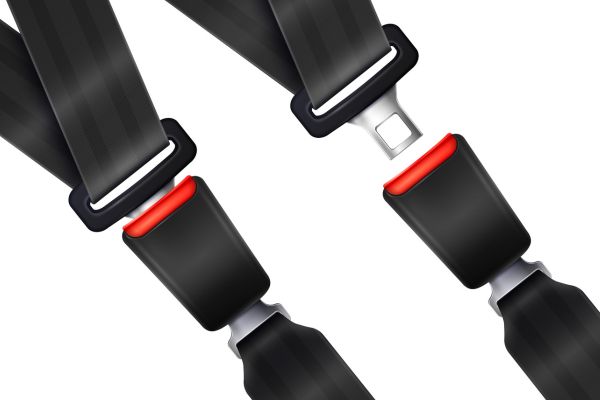
The Global Automotive Automatic Seat Belt Market is gaining momentum as vehicle safety technologies continue to evolve and regulatory bodies enforce stricter occupant protection standards. Automatic seat belts designed to fasten or adjust without manual intervention are becoming increasingly important in enhancing passenger safety and convenience in modern vehicles.
Understanding Automotive Automatic Seat Belts
Automatic seat belts are advanced restraint systems that automatically secure passengers when the vehicle is in operation. Unlike conventional seat belts, these systems may:
- Automatically position the belt when the door is closed
- Adjust tension based on occupant movement
- Integrate with sensors and safety systems
They are often part of a broader safety ecosystem that includes airbags, sensors, and electronic control units.
Market Outlook and Growth Trajectory
The global automotive automatic seat belt market is expected to witness steady growth, driven by increasing safety awareness and regulatory mandates.
Growth is supported by:
- Rising vehicle production worldwide
- Increasing adoption of advanced safety features
- Integration with smart and autonomous vehicle systems
As safety becomes a key purchasing factor, automatic seat belts are expected to gain wider adoption across both premium and mid-range vehicles.
Key Growth Drivers
Stringent Safety Regulations
Governments and safety organizations are mandating advanced occupant protection systems, encouraging automakers to adopt automatic seat belt technologies.
Rising Consumer Awareness
Consumers are increasingly prioritizing vehicle safety features, boosting demand for advanced restraint systems.
Integration with ADAS and Smart Systems
Automatic seat belts are being integrated with Advanced Driver Assistance Systems (ADAS), enabling features such as pre-tensioning and adaptive restraint control.
Growth in Autonomous Vehicles
As vehicles move toward higher levels of autonomy, automatic safety systems—including seat belts are becoming essential.
Emerging Industry Trends
Pre-Tensioner and Load Limiter Technologies
Modern automatic seat belts include pre-tensioners that tighten belts during sudden braking and load limiters that reduce injury risk.
Smart and Sensor-Based Systems
Seat belts are increasingly integrated with sensors to detect occupant position, weight, and movement, enabling adaptive restraint.
Integration with Vehicle Electronics
Advanced systems are connected with vehicle ECUs, allowing real-time adjustments and improved safety performance.
Focus on Comfort and Ergonomics
Manufacturers are designing seat belts that provide both safety and comfort, improving user experience.
Market Segmentation Insights
By Type
- Two-point automatic seat belts
- Three-point automatic seat belts (dominant segment)
By Vehicle Type
- Passenger vehicles (largest segment)
- Commercial vehicles
By Component
- Retractors
- Buckles
- Webbing
- Pretensioners
Regional Insights
- Asia-Pacific dominates the market due to high vehicle production and increasing safety regulations
- Europe is driven by stringent safety standards and advanced automotive technologies
- North America shows steady growth with strong consumer awareness and regulatory compliance
Market Challenges
Despite strong growth potential, the market faces several challenges:
- High cost of advanced safety systems
- Integration complexity with vehicle electronics
- Maintenance and repair considerations
- Competition from alternative restraint technologies
Competitive Landscape
The market is competitive, with major automotive safety system manufacturers focusing on innovation and compliance. Key players include:
- Autoliv Inc.
- ZF Friedrichshafen AG
- Joyson Safety Systems
- Tokai Rika Co., Ltd.
- Hyundai Mobis
These companies are investing in advanced restraint technologies, smart systems, and global partnerships.
Future Outlook
The future of the automotive automatic seat belt market is closely linked to advancements in vehicle safety and automation. As vehicles become smarter and more autonomous, automatic restraint systems will play a critical role in ensuring passenger protection.
With continuous innovation, regulatory support, and increasing consumer demand for safety, the market is expected to grow steadily positioning automatic seat belts as a vital component of next-generation automotive safety systems.