
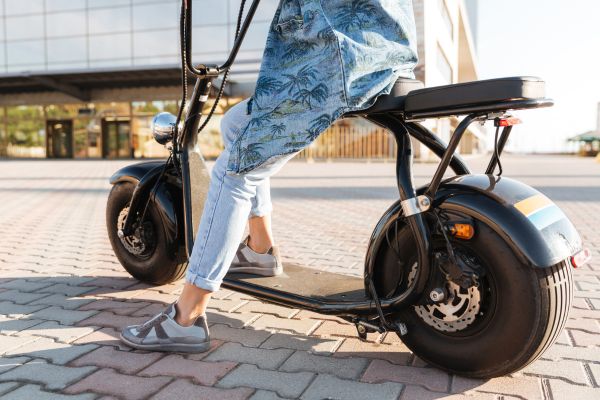
The global Electric Bikes/E-Bikes market is rapidly transforming the Automotive & Transportation industry, emerging as a cornerstone of sustainable mobility. According to a recent study by Polaris Market Research, the market is projected to reach USD 95.51 billion by 2034, reflecting strong growth driven by environmental awareness, urban congestion, and technological advancements.
Market Overview: A Shift Toward Smart and Green Transportation
Electric bikes, commonly known as e-bikes, are redefining how people commute in urban and semi-urban areas. These vehicles combine traditional cycling with electric propulsion, offering an efficient, eco-friendly, and cost-effective alternative to conventional transportation.
With rising fuel prices and increasing carbon emission concerns, consumers and governments alike are shifting toward electric mobility solutions. E-bikes stand out due to their low maintenance cost, zero tailpipe emissions, and ability to navigate congested city roads efficiently. The integration of smart features such as GPS tracking, IoT connectivity, and mobile app control is further enhancing user experience and adoption rates.
Key Market Drivers Fueling Growth
The rapid expansion of the e-bikes market is supported by several strong growth drivers:
- Sustainability and Environmental Awareness: Increasing global focus on reducing carbon emissions is pushing consumers toward eco-friendly transportation options like e-bikes.
- Government Incentives and Policies: Subsidies, tax benefits, and favorable regulations are encouraging the adoption of electric vehicles, including e-bikes.
- Urbanization and Traffic Congestion: Growing urban populations are driving demand for compact and efficient mobility solutions.
- Cost Advantages: E-bikes offer lower operational and maintenance costs compared to traditional vehicles.
- Technological Advancements: Improvements in lithium-ion batteries, motor efficiency, and smart connectivity are enhancing performance and reliability.
Market Segmentation Insights
The e-bikes market is segmented based on product type, battery technology, usage, and drive mechanism. Among these, lithium-ion batteries dominate the market due to their lightweight nature, higher efficiency, and longer lifespan compared to traditional lead-acid batteries.
In terms of product categories, pedal-assist e-bikes are gaining popularity due to their user-friendly design and regulatory acceptance in many regions. Additionally, cargo and utility e-bikes are witnessing increased adoption in logistics and last-mile delivery applications, especially with the rise of e-commerce.
Drive mechanisms such as hub motors and mid-drive systems are also evolving, offering better torque, efficiency, and riding experience tailored to different consumer needs.
Regional Outlook: Asia-Pacific Leading the Charge
The Asia-Pacific region dominates the global e-bikes market, driven by high population density, increasing urbanization, and strong government support for electric mobility. Countries like China and India are key contributors due to large-scale adoption and manufacturing capabilities.
Meanwhile, Europe is experiencing rapid growth due to stringent emission regulations and increasing consumer preference for sustainable transport. North America is also emerging as a promising market, supported by rising awareness and expanding cycling infrastructure.
Competitive Landscape and Innovation
The competitive landscape of the e-bikes market is highly dynamic, with key players focusing on product innovation, partnerships, and expansion strategies. Companies are investing in research and development to enhance battery efficiency, reduce charging time, and improve overall vehicle performance.
Smart e-bikes equipped with AI-driven features, real-time tracking, and integrated digital platforms are becoming a major trend. Additionally, collaborations between automotive companies, tech firms, and energy providers are accelerating innovation and market penetration.
Challenges and Market Constraints
Despite strong growth potential, the market faces certain challenges:
- High initial cost of advanced e-bikes
- Limited charging infrastructure in some regions
- Battery disposal and environmental concerns
- Regulatory differences across countries
However, ongoing advancements and supportive policies are expected to address these challenges over time.
Future Outlook: A Transformational Decade Ahead
The future of the Electric Bikes/E-Bikes market looks highly promising, with continuous innovation and increasing adoption across various sectors. The integration of AI, IoT, and smart mobility solutions will further redefine the market landscape.
As cities move toward sustainable urban planning and smart mobility ecosystems, e-bikes are expected to play a crucial role in reducing congestion, lowering emissions, and enhancing transportation efficiency.
For businesses, investors, and stakeholders, this market presents significant opportunities to capitalize on the growing demand for clean and efficient mobility solutions.
Conclusion
The Electric Bikes/E-Bikes market is not just a trend—it is a transformative movement shaping the future of transportation. With strong growth projections, technological advancements, and increasing global support, the market is set to redefine urban mobility in the coming years.