
The Delhi government has introduced a new draft EV Policy for 2026–2030, aiming to significantly reduce vehicular emissions and accelerate the shift toward clean mobility. With transport contributing nearly 23% of the city’s pollution, the policy focuses on large-scale EV adoption backed by strong incentives and infrastructure development.
A major highlight of the draft policy is the introduction of attractive financial incentives for EV buyers. The government is proposing a 100% waiver on road tax and registration fees for electric vehicles priced up to ₹30 lakh, valid until March 2030. This move is expected to reduce upfront costs and make EVs more accessible to the general public.
The policy also outlines targeted benefits across different vehicle segments, including two-wheelers, three-wheelers, and passenger vehicles. Subsidies and incentives are designed to support both private buyers and commercial operators, while scrappage benefits may further encourage people to replace old polluting vehicles with cleaner alternatives.
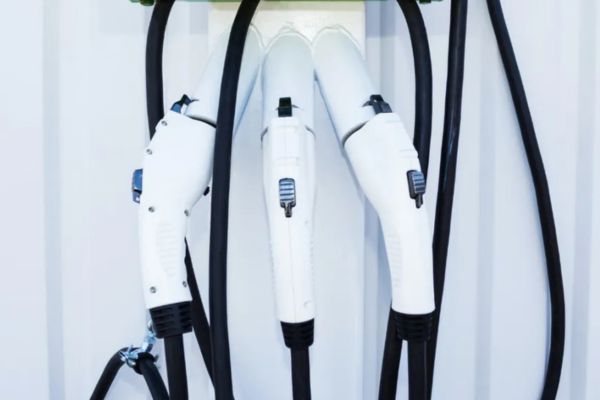
To support growing EV adoption, the government is placing strong emphasis on expanding charging infrastructure across the city. Plans include installing thousands of new charging points and battery-swapping stations, along with a long-term goal of setting up around 5,000 public charging stations by 2030 in key locations like residential areas, markets, and parking hubs.
Additionally, the policy may introduce mandates to strengthen the EV ecosystem, including requirements for charging infrastructure in new buildings and support for battery recycling systems. The government is also working toward improving last-mile connectivity through electric mobility solutions and boosting electrification in public transport systems.
Overall, the Delhi EV Policy 2026–2030 represents a comprehensive strategy combining incentives, infrastructure expansion, and regulatory measures. With ambitious targets like higher EV penetration and a robust charging network, the policy aims to position Delhi as a leading hub for sustainable and electric mobility in India while tackling the city’s persistent air pollution challenges.