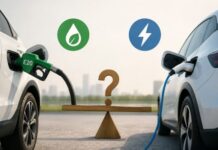

India’s electric vehicle revolution has largely been associated with passenger cars, two-wheelers, and urban mobility. However, the next major frontier of electrification may not be on city roads it could be in India’s farms.
Agriculture remains the backbone of the Indian economy, contributing nearly 18% to the country’s GDP and supporting close to half of the nation’s workforce. At the same time, India is the world’s largest tractor market. Domestic tractor sales crossed a record 10.9 lakh units in 2025, highlighting the sector’s growing importance in farm mechanization.
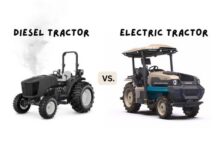
For decades, diesel-powered tractors have been the workhorses of Indian agriculture. Yet rising fuel prices, increasing maintenance costs, and growing environmental concerns are forcing a re-evaluation of conventional farm machinery. This is where electric tractors are emerging as a transformative solution.
Unlike diesel tractors, electric tractors offer significantly lower operating costs. Farmers can reduce expenditure on fuel while benefiting from fewer moving parts, resulting in lower maintenance requirements. Over the lifecycle of a tractor, these savings can substantially improve farm profitability, particularly for small and medium-sized farmers.
The environmental case is equally compelling. Studies have indicated that emissions from non-road vehicles, including agricultural tractors, could exceed emissions from on-road vehicles by 2030 if cleaner technologies are not adopted. As India pursues ambitious climate goals, agricultural electrification will become an essential component of the country’s sustainability roadmap.
Technological advancements are further strengthening the business case for electric tractors. Modern electric platforms are increasingly being integrated with smart farming capabilities, including telematics, remote diagnostics, precision farming tools, and autonomous functionalities. These innovations enable farmers to optimize operations, reduce input costs, and improve productivity.
At AutoNxt, we believe that the future of farming lies at the intersection of electrification, intelligence, and sustainability. India’s agricultural sector is uniquely positioned to leapfrog traditional technology cycles and adopt advanced solutions tailored to local needs. The rapid expansion of renewable energy infrastructure, particularly solar power in rural areas, creates additional opportunities for charging electric farm equipment in a cost-effective and sustainable manner.
Challenges remain, particularly around charging infrastructure, financing, and awareness. However, the history of technological adoption in Indian agriculture demonstrates that when farmers see clear economic benefits, adoption accelerates rapidly.
The transition from diesel to electric tractors is not merely an equipment upgrade. It represents a fundamental shift in how Indian agriculture approaches efficiency, sustainability, and profitability. As India’s EV movement matures, the fields of rural India may well become the most important battleground in the country’s clean mobility journey.
The future of farming is electric, and that future has already begun.