
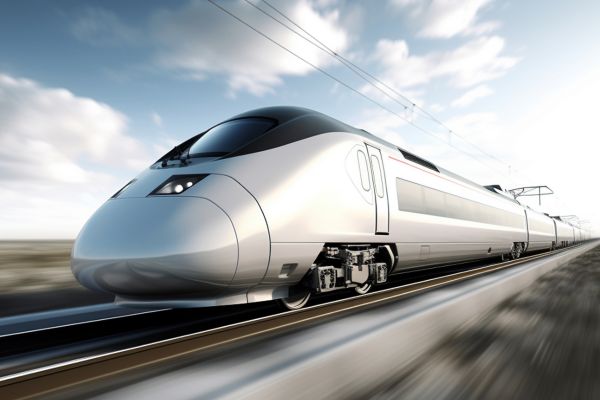
Hydrogen fuel cell trains are modern rail vehicles that operate using energy derived from hydrogen as opposed to diesel or overhead electric power systems. The hydrogen is stored in special tanks fitted on the train that allow it to travel long distances. These trains produce less noise and release only water vapor. This makes them an environment-friendly option for rail transport. Countries such as Germany and Japan have already introduced hydrogen-powered trains as part of their cleaner developments and more sustainable transportation networks. Thus, hydrogen fuel cell trains are expected to reduce the dependence on fossil fuels.
Hydrogen fuel cell trains are used for passenger travel, regional connectivity, freight services, and rail operations on tracks that are not electrified. Installation of overhead electric lines can be costly and challenging in rural and remote regions. Thus, these trains are suitable in these terrains, as they enable cleaner public transport and energy security.
In addition, hydrogen fuel cell trains lower air pollution and reduce greenhouse gas emissions. Railway authorities are replacing conventional diesel engines with hydrogen-powered systems to maintain efficiency during long-distance operations. In addition, noiseless functioning makes hydrogen fuel cell trains suitable for tourism and scenic railway routes. Countries including France, China, and India are researching this technology to support greener and more sustainable railway infrastructure in the future.
Drivers, Restraints, and Opportunities of Hydrogen Fuel Cell Trains
Hydrogen fuel cell trains are witnessing growth owing to the rise in the need to reduce carbon emissions and dependence on fossil fuels. Surge in environmental concerns, stringent regulations about emissions, and advancements in hydrogen production and fuel cell efficiency boost the adoption of these trains. In addition, since they make less noise and are energy-efficient, it makes them suitable for routes where railway electrification is difficult and/or expensive.
However, high costs of hydrogen fuel cell systems as well as storage tanks and refueling infrastructure hamper the adoption of these trains. In addition, limited hydrogen production facilities and insufficient refueling stations create challenges during operations. Safety concerns related to hydrogen storage and transportation coupled with lack of technical expertise may limit their adoption.
Despite these challenges, numerous opportunities create potential for expansion. Growing investments in green hydrogen projects and renewable energy help lower operating costs and improve sustainability. Developing countries are using hydrogen fuel cell trains to modernize rail networks that are non-electrified. Technological advancements, government subsidies, and international collaborations are expected to provide lucrative avenues for adoption of hydrogen fuel cell trains.
Regional Insights
Hydrogen fuel cell trains show robust growth across Europe, Asia-Pacific, and North America. Germany leads the European market due to strict environmental regulations, government funding, and successful deployment of hydrogen-powered passenger trains. France and the UK are also investing in clean railway technologies. In the Asia-Pacific region, China, Japan, and South Korea are expanding hydrogen infrastructure and research programs to modernize rail transport. India is exploring hydrogen trains to support sustainable railway development and reduce diesel dependence. North America is gradually adopting technology through pilot projects and green transportation initiatives. Growing investments in renewable energy, hydrogen production, and low-emission mobility solutions are expected to drive regional expansion in the coming years.
Technological advancements
Technological advancements in hydrogen fuel cell trains are improving efficiency, safety, performance, and sustainability in the railway industry. Modern fuel cell systems are becoming more compact, lightweight, and energy-efficient, allowing trains to operate over longer distances with lower hydrogen consumption. Improvements in proton exchange membrane (PEM) fuel cells have increased power output and durability while reducing maintenance requirements. Advanced hydrogen storage technologies, including high-pressure composite tanks, provide safer and larger storage capacity for extended rail operations.
Battery hybrid systems are another major advancement. Many hydrogen trains now combine fuel cells with lithium-ion batteries to store excess energy generated during braking. This regenerative braking technology improves energy efficiency and reduces fuel consumption. Smart energy management systems also help optimize power distribution between fuel cells and batteries, enhancing train performance and operational reliability.
Automation and digital monitoring technologies strengthen safety and maintenance practices. Sensors and artificial intelligence-based monitoring systems can detect leaks, temperature changes, and equipment failures in real time, reducing operational risks. Lightweight materials such as carbon fiber and advanced aluminum alloys are also being used to improve train speed and energy efficiency.
Several leading companies are driving innovation in this sector. Alstom developed the world’s first commercial hydrogen passenger train, while Siemens Mobility is advancing hydrogen-powered rail systems with improved efficiency and modular designs. Research into green hydrogen production using renewable energy sources is further supporting sustainable railway operations. These technological developments are expected to accelerate the adoption of hydrogen fuel cell trains globally and contribute to cleaner, low-emission transportation systems.
Challenges
Hydrogen fuel cell trains face several challenges that affect their large-scale adoption. One major challenge is the high initial cost of fuel cell systems, hydrogen storage tanks, and refueling infrastructure. Building hydrogen production and distribution networks requires significant investment and long-term planning. Limited availability of green hydrogen also increases operating costs in many regions. Safety concerns related to hydrogen storage, transportation, and leakage management require strict regulations and advanced monitoring systems. Technical limitations such as fuel cell durability, storage capacity, and energy efficiency can impact train performance over long distances. In addition, lack of skilled workforce and technical expertise slows implementation and maintenance. Competition from battery-electric and conventional electric trains also creates market pressure. Many railway operators hesitate to replace existing diesel systems due to economic uncertainty, infrastructure limitations, and the need for supportive government policies and financial incentives.
Conclusion
Hydrogen fuel cell trains are an innovative and sustainable solution for railway transportation. They offer significant environmental benefits by reducing carbon emissions, air pollution, and dependence on fossil fuels. They operate efficiently on non-electrified routes, which makes them a practical alternative to diesel trains. Although challenges such as high costs, limited infrastructure, and hydrogen availability remain, continuous technological advancements and government support are encouraging growth. Rise in investments in green hydrogen and clean energy projects are expected to improve adoption globally. Thus, hydrogen fuel cell trains have strong potential to transform global rail transport into a cleaner and more energy-efficient system.