
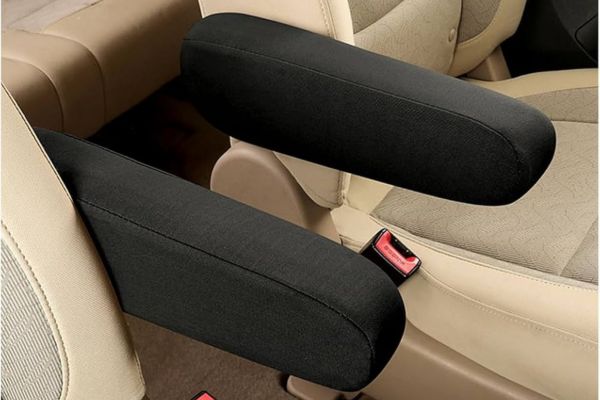
The global Automotive Armrest Market is witnessing steady growth as automakers increasingly focus on improving passenger comfort, ergonomics, and interior aesthetics. According to the latest study by Introspective Market Research, the market was valued at USD 3.45 Billion in 2023 and is projected to reach USD 5.98 Billion by 2032, growing at a CAGR of 6.3% from 2024 to 2032.
Automotive armrests are integral interior components designed to enhance driver and passenger comfort by providing ergonomic support, storage solutions, and additional functionalities such as cup holders, control panels, and infotainment integration. With the growing demand for premium vehicle interiors and long-distance driving comfort, armrests have evolved from basic accessories into multi-functional design elements.
Quick Insights: Automotive Armrest Market
- Market Size (2023): USD 3.45 Billion
- Projected Market Size (2032): USD 5.98 Billion
- Forecast CAGR (2024–2032): 6.3%
- Dominant Segment: Passenger Vehicles
- Fastest-Growing Trend: Multi-functional and adjustable armrests
- Leading Region: Asia-Pacific
- Key Players: Toyota Boshoku Corporation, Faurecia, Lear Corporation, Magna International, Grupo Antolin, TS Tech Co., Ltd., Adient plc
Market Revenue Outlook
| Year | Market Value |
|---|---|
| 2023 | USD 3.45 Billion |
| 2024 | USD 3.65+ Billion (Estimated) |
| 2032 | USD 5.98 Billion |
The market is expected to grow steadily, supported by increasing global vehicle production and rising demand for comfort-oriented automotive interiors.
What Trends Are Shaping the Automotive Armrest Market?
Can smart interiors and ergonomic innovation redefine the role of armrests in vehicles?
Key trends influencing market growth include:
- Shift Toward Premium Interiors: Consumers are increasingly prioritizing comfort and aesthetics, especially in mid-range and luxury vehicles
- Integration of Smart Features: Armrests now include touch controls, wireless charging pads, and storage compartments
- Growth in Electric Vehicles (EVs): EV interiors are designed with enhanced passenger comfort and modular layouts
- Lightweight Materials Adoption: Manufacturers are focusing on reducing vehicle weight to improve fuel efficiency
- Customization and Personalization: Automakers are offering adjustable and customizable armrest solutions
These trends are transforming armrests into functional, ergonomic, and technologically integrated interior components.
Regional Market Insights
Asia-Pacific
Asia-Pacific dominates the automotive armrest market, driven by high vehicle production volumes, growing middle-class population, and rising demand for passenger cars in countries such as China, India, and Japan.
North America
North America shows strong demand for premium vehicles and advanced interior features, contributing to steady market growth.
Europe
Europe remains a significant market due to its focus on luxury vehicles, advanced automotive design, and sustainability initiatives.
Segmentation Analysis
By Vehicle Type
- Passenger Vehicles
- Commercial Vehicles
Passenger vehicles account for the largest market share due to their high production volume and consumer demand for comfort features.
By Type
- Front Armrest
- Rear Armrest
Front armrests dominate the market as they are standard in most modern vehicles and offer enhanced driver comfort.
By Material
- Fabric
- Synthetic Leather
- Genuine Leather
- Others
Synthetic and premium materials are gaining traction due to their durability, aesthetics, and cost-effectiveness.
Industry Innovations and Competitive Landscape
Leading automotive component manufacturers are focusing on innovation to enhance product functionality and appeal.
Recent developments include:
- Introduction of multi-functional armrests with integrated storage and connectivity features
- Use of eco-friendly and lightweight materials to meet sustainability goals
- Development of modular interior systems for electric and autonomous vehicles
These innovations are enabling manufacturers to differentiate their offerings in a competitive market.
Challenges and Cost Pressures
Despite positive growth prospects, the market faces several challenges:
- Fluctuating raw material prices affecting production costs
- Supply chain disruptions in the automotive industry
- Cost sensitivity in entry-level vehicles limiting premium feature adoption
- Intense competition among component manufacturers
To remain competitive, companies must focus on cost optimization, material innovation, and scalable production techniques.
Case Study: Premium Interior Upgrade Strategy
A leading automotive manufacturer introduced a redesigned interior for its mid-range vehicles, incorporating adjustable armrests with storage and infotainment controls. This enhancement led to improved customer satisfaction and increased sales, demonstrating how interior comfort features can influence purchasing decisions.