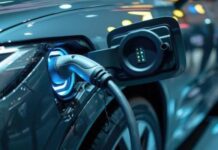
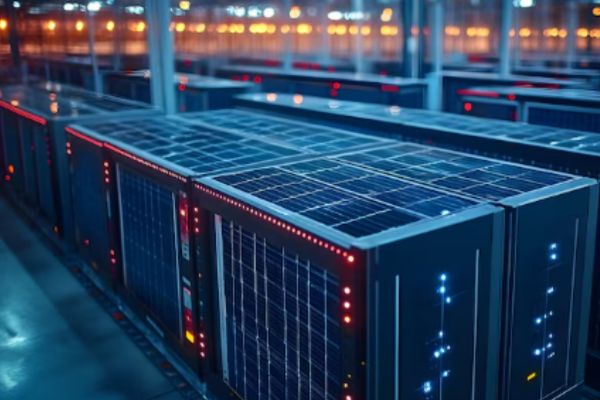
Bharat’s electric mobility story is no longer a distant vision; it is unfolding in real time. Electric vehicles are rolling off assembly lines and onto roads, public charging infrastructure is spreading across cities and highways, and sustainability commitments are shaping industrial strategy. Amid this visible momentum lies a foundational element of the ecosystem that is less visible but no less crucial: batteries and the systems that support them.
As Bharat works to build a scalable and widespread EV charging network that provides assurance to users to go on long-distance journeys, attention must also focus sharply on three interconnected aspects of the battery value chain: safety, recycling, and second-life applications. Each plays a pivotal role in determining not just how electrification progresses, but how responsibly and sustainably it does so.
Battery Safety: The First Trust Barrier
For most EV buyers and fleet operators, battery safety is the single biggest determinant of confidence. While EV batteries today are highly engineered, high-energy systems can present risks if design, operation, or maintenance standards are not robust.
Modern batteries now commonly include advanced Battery Management Systems (BMS) and sophisticated thermal management to monitor and protect against overheating or abnormal discharge. In Bharat’s wide-ranging climate conditions, from humid coasts to scorching interiors, the need for effective and efficient BMS needs to be emphasized.
Consumer trust in battery safety is bolstered when manufacturers and infrastructure providers commit to high standards. This includes stringent quality checks, standardised testing, and transparent reporting of safety outcomes. As networks grow, whether for two-wheelers, passenger cars, or commercial fleets, ensuring that chargers and batteries communicate effectively to prevent overcharging or voltage spikes will be critical.
Equally important is training: technicians, first responders, fleet managers, and users must be trained to handle, diagnose, and respond safely to battery-related incidents. A safe ecosystem is not only engineered, but also practiced to a point where it becomes a robust and safe EV culture.
Recycling: Closing the Loop on Critical Materials
The rapid expansion of EV adoption brings into focus a strategic reality: the supply of battery raw materials is limited, and many critical minerals such as lithium, cobalt, and nickel are increasingly expensive and geopolitically concentrated. Recycling is not just environmentally wise; it is an economic and security imperative.
Battery recycling allows Bharat to recover valuable materials at the end of their first life. With EV sales accelerating and cumulative battery installations expected to reach high gigawatt-hour levels this decade, the volume of retired batteries will grow rapidly, and their safe and scientific management will require a focused approach, with the requisite policies, teamwork, and technologies lined up.
Formal recycling infrastructure is beginning to scale, but it must expand faster to keep pace with growing demand. Without organised collection systems and processing capacity, valuable materials risk being lost to informal channels or environmental harm.
By building domestic recycling capacity, India can reduce import dependence, create new industrial value chains, and lower the overall environmental impact of EV batteries across their lifecycle. Recovered materials also feed back into local manufacturing, strengthening the competitiveness of Bharat’s battery sector.
Second Life: Extending Value Beyond the Vehicle
A remarkable feature of EV batteries is that they often retain 60–80% of their original capacity when they are retired from automotive use. At that point, they may no longer power vehicles efficiently, but they remain highly useful for stationary energy storage that follows a uniform discharge rate.
This opens the door to “second life” applications repurposing used EV batteries for purposes such as:
- Grid support and peak shaving
- Renewable energy integration (solar and wind smoothing)
- Backup power for commercial and industrial facilities
- Storage at charging stations to reduce peak loads
Second-life batteries are particularly attractive in Bharat’s renewable energy context, where solar and wind generate intermittently and require flexible storage solutions. By leveraging used EV batteries, developers can gain access to cost-effective storage that extends the value of the original investment and supports grid reliability. This, however, is feasible in smaller grid applications where the use of refurbished batteries is not encouraged.
However, realising second-life potential at scale requires rigorous testing and grading standards to ensure performance and safety. Equally important are business models that clarify ownership and liability, so that utilities and commercial users feel confident deploying second-life systems.
Connecting Batteries to India’s Charging Vision
Charging infrastructure is often seen as the frontline of EV adoption and rightly so. But to be truly scalable and resilient, charging networks must integrate batteries and energy storage into their design.
Smart charging systems, vehicle-to-grid (V2G) capabilities, and on-site storage help mitigate peak demand on the grid. Imagine a highway charging hub with on-site energy storage storing off-peak power, smoothing demand spikes, and delivering consistent performance even in areas with stressed grid supply.
In practical terms, such integrated systems can reduce stress on local distribution infrastructure, improve uptime for fast chargers, and accelerate adoption in markets where grid reinforcement is costly or slow.
Looking Ahead: A Systemic Approach
Battery safety, recycling, and second life are not isolated topics; they are strategic pillars of a sustainable EV ecosystem. Progress in one reinforces the others and strengthens the entire value chain.
- Safety builds consumer confidence and underpins operational reliability.
- Recycling closes material loops and injects resilience into the supply chain.
- Second life extends economic and environmental value from batteries long past their first automotive use.
By making these priorities central to planning, investment, and policy, India can ensure that its EV transition is not only rapid but responsible, circular, and resilient.
Batteries are more than energy carriers; they are strategic assets at the heart of the mobility-energy nexus. Treating them as such will be essential to powering Bharat’s electric mobility future.