Bolt.Earth celebrated World Environment Day by offering free electric vehicle charging services across its network, encouraging EV users to embrace sustainable transportation. The initiative received an enthusiastic response from customers nationwide, with the company recording more than 1,000 charging sessions during the campaign. The drive was aimed at promoting cleaner mobility and increasing awareness about the environmental benefits of electric vehicles.
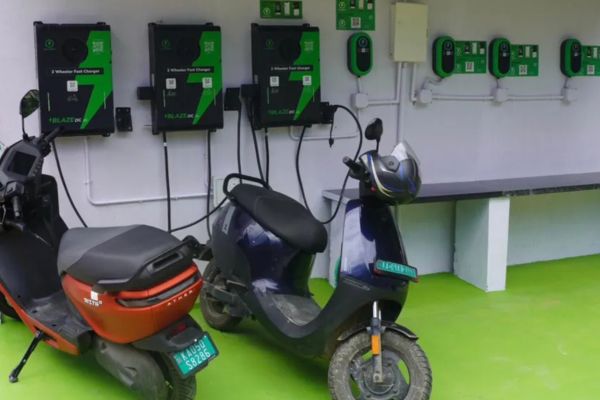
The campaign was rolled out across Bolt.Earth’s charging infrastructure, enabling EV owners to charge their vehicles at no cost for a limited period. By removing charging expenses, the company sought to make electric mobility more accessible while demonstrating the convenience and reliability of public charging networks.
According to Bolt.Earth, participation came from EV users across multiple cities, highlighting the growing adoption of electric vehicles in India. The strong turnout also reflected increasing consumer confidence in the country’s expanding charging infrastructure and the broader shift toward sustainable transportation solutions.
The company noted that initiatives such as these play an important role in accelerating EV adoption by helping users experience the benefits of electric mobility firsthand. As public awareness of climate change and environmental sustainability continues to grow, more consumers are exploring cleaner alternatives to conventional fuel-powered vehicles.
Bolt.Earth has been actively working to strengthen India’s EV ecosystem through its charging and software solutions. The company continues to expand its charging network and support the development of accessible infrastructure that can meet the needs of the country’s rapidly growing electric vehicle market.
The success of the World Environment Day campaign underscores the increasing momentum behind electric mobility in India. Through initiatives focused on accessibility, awareness, and infrastructure growth, Bolt.Earth aims to contribute to a cleaner and more sustainable transportation future while supporting the nation’s transition toward greener mobility solutions.