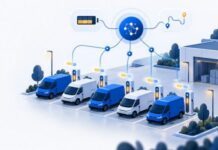
The growing commitments towards the environment and urban pollution concerns have necessitated the adoption of electric vehicles in the everyday transportation ecosystem. EVs have successfully become a part of the commercial fleets and the two-wheelers alike, and their traction is growing at an unprecedented rate. We need to ensure more than just vehicle availability for these vehicles and create an integrated ecosystem that can be inclusive of charging stations, policy frameworks, battery supply chains, and digital innovation.
Why Do We Need To Follow A Holistic Approach?
The adoption of electric vehicles in India has always been subject to three main challenges: insufficient charging infrastructure, high upfront costs, and range anxiety. These challenges cannot be addressed independently. If one needs to expand the number of charging stations, they should keep the grid readiness and battery availability in mind. Creating an integrated EV ecosystem would ensure that all of the components of the EV infrastructure work in perfect tandem with each other. This ecosystem would require perfect coordination between the manufacturers, government officials, technology platforms, and energy providers.
This coordination would consequently ensure a seamless integration between production, consumption, and distribution. The result would be a harmonious environment between the producers and the consumers.
Growing Importance of The Charging Infrastructure
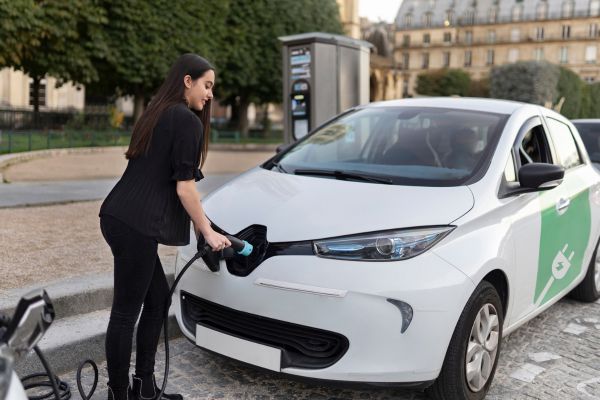
For any EV ecosystem to run successfully, it would require a robust and accessible charging infrastructure in place. As we lack the required number of charging stations in India, it creates hindrances for commercial usage and long-distance travel. With the building of integrated EV ecosystems, there has been a coming together of workplace charging solutions, private home chargers, and public charging stations. There has been further optimization of energy usage, a reduction in grid load, and the enabling of real-time monitoring. Consumers are now able to access multiple charging stations from a single platform, which has significantly improved their convenience.
The charging infrastructure has also now made use of renewable sources of energy, such as solar power. This has helped reduce the carbon emissions and also the daily operational costs. This aspect has made EVs a more affordable option than other modes of transport.
How Can One Strengthen The Battery Supply Chains?
As batteries compose a significant part of the cost structure for the EV ecosystem, they form an important part of adoption and affordability. India has remained subject to global supply chain disruptions and price volatility as it still imports critical battery components from across the world. With the integration of EV ecosystems, we would be able to enhance the domestic battery manufacturing capabilities.
This would lead to research in the fields of alternative chemistries and heavy investments in gigafactories and recycling facilities. As the supply chain in India would become more localized, it would help in enhancing energy security and reducing costs. Consequently, it would lead to the creation of more economic opportunities.
Companies can also opt for battery-swapping models, which would allow users to swap their used batteries for charged ones. This helps in removing the range anxiety and also helps bring down the downtime.
The Role of Policy Makers and Regulatory Frameworks
The success of EVs can be attributed to the role of policymakers and the resulting policies. They came up with the FAME initiative, which has helped in the faster adoption of electric vehicles. Despite the significant progress made by the government bodies, they have been subject to slow implementation and incomplete regulations. To ensure a seamless functioning of the EV ecosystem, the manufacturers require a smooth functioning of the government policies, and it would also require the building of an infrastructure that is in line with the industry standards.
A smooth functioning of policies would include a standardization of battery technologies, simplification of the approval processes, and an offering of various tax benefits to both consumers and manufacturers. There is also a need to bridge the gaps in infrastructure with the help of Public-Private Partnerships (PPPs). With a collaboration between government officials and the industry players, India can effectively bridge the gaps that can potentially arise in this ecosystem.
How Will It Help Enhance The Trust Of The Customers?
The total cost of ownership (TCO) can be reduced with the help of an integrated ecosystem for electric vehicles. Apart from this, it can also optimize the energy usage, streamline the supply chains, and leverage the economies of scale. All of these factors together can help bring down the costs in a significant manner. This can consequently help increase the confidence among the consumers.
An increased confidence would mean an increased transparency, reliability, and convenience. The final purchasing decision of the customers would be collectively dependent on these three above-mentioned factors.
Conclusion
We are at a critical juncture that could help decide the future of electric vehicles in India. There is an urgent need to build an ecosystem that would help ensure the smooth functioning and adoption of electric vehicles. It would help build the confidence of the consumers and also keep a balance with the government bodies.
This would require seamless coordination between the various stakeholders. They would primarily include government officials, technology providers, and the energy companies.
The future of electric vehicles will depend on how efficiently we are able to design and implement this ecosystem. It will help us unlock new opportunities and also overcome the existing barriers to growth. Overall, we would be in a position to build a cleaner ecosystem for transportation.