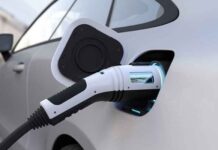

CATL the world’s largest electric vehicle battery manufacturer has unveiled a major technological advance with a new ultra-fast charging battery that promises rapid recharging without the usual decline in battery health that has plagued EV owners and manufacturers globally. The company claims this innovation addresses one of the electric vehicle industry’s most persistent problems: battery degradation caused by frequent high-speed charging.
According to CATL, the new battery platform, known as a 5C ultra-fast charging battery, can replenish its energy in roughly 12 minutes, significantly reducing the time drivers spend plugged in and making EV charging closer in convenience to filling a petrol tank. The “5C” rating refers to the battery’s capacity to accept five times its total energy capacity per hour — enabling this very rapid charging rate.
What sets this development apart is not just the speed, but its durability. Test data shared by the company indicates that the battery retains at least 80 % of its original capacity even after thousands of full charge and discharge cycles, which translates — under ideal conditions — to a life expectancy equivalent to nearly 1.8 million kilometres of driving. This kind of long lifespan is far beyond the current industry average and could mean the battery outlasts the vehicle itself in real-world use.
CATL attributes this combination of fast charging and longevity to several internal innovations. It has improved the cathode coating to reduce structural wear, introduced electrolyte additives that self-heal microcracks, and added a temperature-responsive separator coating that helps regulate heat build-up during intense charging sessions. Additionally, a more intelligent battery management system actively cools hotspots to maintain performance and safety.
Importantly, the company’s tests showed that even under extreme heat conditions — comparable to scorching desert environments — the battery still maintained strong performance and capacity retention, though with a naturally shorter overall life than under milder temperatures. This robustness highlights potential for broader use — from passenger cars to vehicles operating in harsher climates or heavy-duty commercial applications.
While CATL has not yet confirmed when these new cells will enter mass production or which automakers will adopt them first, analysts believe high-end passenger vehicles and commercial fleets (like taxis or logistics vehicles) could be early beneficiaries. If these claims hold up in real-world service, the technology could significantly change consumer perceptions around EV charging convenience and long-term battery value.