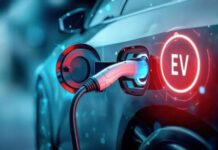

According to Research Intelo, the C&I Fleet Charging Infrastructure market size was valued at $3.8 billion in 2024 and is projected to reach $23.4 billion by 2033, expanding at a robust CAGR of 22.7% during the forecast period of 2025–2033. The primary growth driver for this market is the accelerating electrification of commercial and industrial (C&I) vehicle fleets worldwide, driven by stringent emissions regulations and the rapidly increasing adoption of electric vehicles (EVs) for logistics, delivery, and public transportation. As global corporations and municipalities prioritize sustainability and cost efficiency, the demand for scalable, reliable, and technologically advanced charging infrastructure for diverse fleet applications is witnessing unprecedented growth, reshaping the landscape of urban mobility and commercial transportation.
Commercial and industrial (C&I) fleet electrification is moving from pilot projects to full-scale deployment. As businesses decarbonize and operating costs come under scrutiny, electrifying delivery vans, buses, and service fleets is becoming a strategic imperative. Behind every electric fleet sits a charging infrastructure ecosystem tailored to heavy daily duty cycles, predictable routing, and high uptime expectations. The C&I Fleet Charging Infrastructure Market covers on-site depot chargers, smart energy management systems, grid upgrades, and the software and services required to keep business fleets charging reliably and cost-effectively.
Market drivers and demand signals
Regulatory pressure and corporate commitments
Government regulations, clean-fleet mandates, and emission-reduction targets are accelerating electrification. Many municipalities and countries now require zero-emission transit fleets or offer incentives for EV fleet purchases—an important catalyst for fleet charging installations.
Total cost of ownership (TCO) and operational savings
Lower fuel and maintenance costs, combined with stable electricity prices, make the business case for electric fleets compelling. The need to minimize downtime and maximize vehicle dispatch translates into demand for higher-power, faster-charging depot equipment and intelligent scheduling tools.
Energy resilience and sustainability goals
Companies increasingly value energy resilience and carbon accounting. On-site charging paired with solar, battery storage, and demand-response programs enables fleets to lower peak demand charges, hedge against volatile energy prices, and report verified Scope 2 emissions reductions.
Opportunities & innovation hotspots
Charging-as-a-Service (CaaS) and managed solutions
Third-party providers that own, operate, and maintain charging infrastructure reduce barriers to entry and align costs with usage an attractive model for many businesses.
Smart charging and V2G / V2B capabilities
Load-optimization software, vehicle-to-grid (V2G), and vehicle-to-building (V2B) bidirectional strategies can turn fleets into distributed energy resources, monetizing flexibility and enhancing resilience.
Integrated renewable + storage solutions
Pairing solar with battery systems reduces demand charges and provides backup power—especially valuable for depots with limited grid capacity.
Standardization and open APIs
Industry moves toward interoperable systems and open APIs simplify integration between chargers, fleet management platforms, and utilities reducing vendor lock-in and integration time.
Future outlook
The next 5–10 years are likely to see consolidation of integrated solutions, wider adoption of CaaS models, and greater utility engagement through managed charging programs. As battery ranges improve and cost curves continue downward, more fleets will transition, shifting market focus from early adopters to mainstream commercial users. The ultimate winners will be those who can reduce upfront friction, demonstrate clear TCO advantages, and enable energy-smart charging at scale.
Competitive Landscape
Prominent companies operating in the market are:
- ABB
- Siemens
- Schneider Electric
- ChargePoint
- EVBox
- Tesla
- Blink Charging
- Shell Recharge Solutions
- BP Pulse
- Enel X Way
- Eaton
- Leviton
- Webasto