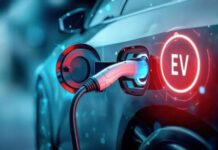

Electric Trucks Are Changing How Goods Move
Electric trucks are reshaping the global logistics industry by replacing noisy, polluting diesel vehicles with clean, efficient, battery-powered alternatives. This shift is not just technological it’s transforming the entire supply chain. Electric trucks offer instant torque, smooth acceleration, and quiet operation, making them perfect for urban logistics and last-mile deliveries.
Fleet operators are benefiting from lower fuel costs, reduced maintenance, and fewer breakdowns, thanks to simpler drivetrains with fewer moving parts. As cities introduce low-emission zones and governments implement stricter fuel regulations, electric trucks help companies stay compliant while improving operational efficiency.
According to Vision Research Reports, the electric trucks market is expanding rapidly, fueled by tightening environmental regulations, major advancements in battery technology, and a global push toward sustainable transportation. Spanning light-, medium-, and heavy-duty vehicle categories, electric trucks are becoming a vital solution for reducing carbon emissions in the logistics and freight industry.
Fast-Charging Technology Makes Long Trips Easier
Range and charging time were once major challenges for electric trucks, but new charging innovations have changed the game. Today’s fast-charging systems can boost a truck’s battery significantly in a short break, helping drivers stay on schedule even during long routes.
Emerging technologies include:
- Megawatt Charging System (MCS): Capable of delivering up to 1 MW or more, ideal for heavy-duty trucks.
- High-powered DC fast chargers: Common in city hubs and logistics parks.
- Depot charging solutions: Allow fleets to charge multiple vehicles overnight with intelligent load management.
These advancements mean trucks can:
- Get 200–300 km of range in less than an hour
- Charge efficiently during meal or rest stops
- Reduce downtime and improve fleet productivity
- Hydrogen Trucks Rising for Long Distances
Hydrogen fuel-cell trucks are becoming a strong solution for long-haul transportation, where heavier loads and longer distances make battery-only systems less suitable. Fuel-cell trucks can travel hundreds of kilometers on a single refill, and refueling takes just 10–15 minutes, similar to diesel.
Key benefits include:
- Longer driving range for cross-country logistics
- Lightweight fuel tanks, allowing more space for cargo
- Strong performance in extreme weather
- Shorter refueling times, reducing downtime
- Lower total emissions, as the only byproduct is water vapor
Countries such as Germany, Japan, South Korea, the U.S., and China are building hydrogen corridors and fueling stations dedicated to commercial trucking. Companies like Hyundai, Toyota, Nikola, and Daimler are investing heavily in hydrogen truck development.
Challenges and Restraints
Despite the strong growth potential, electric truck adoption continues to face several real-world challenges that slow down large-scale deployment.
- High Initial Costs: Electric trucks currently cost significantly more upfront than diesel trucks. The main reason is the battery pack, which can account for 30–40% of the vehicle’s total price.
- Range Limitations for Long-Haul: Even though range is improving every year, long-distance trucking still poses limitations. Heavy loads, hilly terrains, extreme weather, and continuous operation all affect battery performance.
- Charging Infrastructure Gaps: Charging infrastructure is expanding quickly in cities, but rural routes, highways, and industrial corridors still lack enough fast-charging stations.
For trucking companies, the absence of predictable and widely available chargers leads to:
- route planning challenges
- extended downtime
- reduced operational efficiency
Until large-scale highway charging networks are in place, long-haul electrification will remain slow.
Future of Freight Transport Is Fully Electric
The future of freight transport is rapidly moving toward full electrification as the world demands cleaner and more efficient logistics. Battery-electric trucks will dominate city and regional routes, while hydrogen trucks will support long-distance hauling. This shift is driven by global zero-emission mandates, corporate sustainability goals, better battery technology, AI-based routing, autonomous driving, and expanding charging and hydrogen networks.
Within the next decade, major freight corridors will feature megawatt chargers, battery-swapping hubs, and hydrogen fueling stations. Electric trucks will not only cut emissions but also lower operating costs and improve overall supply chain efficiency.