

According to latest research by Research Intelo, the global extended range electric vehicle (EREV) market size reached USD 41.6 billion in 2024, demonstrating robust momentum as the global automotive landscape pivots toward sustainable mobility. The market is projected to grow at a CAGR of 17.3% during the forecast period, with the market size forecasted to reach USD 141.3 billion by 2033. This growth is primarily driven by increasing consumer demand for low-emission vehicles, significant advancements in battery technology, and supportive regulatory frameworks that encourage the adoption of electric mobility solutions worldwide.
The Extended Range Electric Vehicle (EREV) market is witnessing significant momentum, driven by increasing environmental awareness, stricter emission regulations, and rising consumer interest in hybrid mobility solutions. EREVs combine electric propulsion with a small internal combustion engine that charges the battery, offering the best of both worlds: long driving range and lower emissions.
Driving Factors
Several factors are contributing to the strong growth of the EREV market:
- Environmental Regulations: Governments worldwide are enforcing stricter emission standards, prompting automakers to develop vehicles with lower carbon footprints.
- Rising Fuel Prices: Increasing fuel costs make EREVs more appealing due to their efficient fuel consumption.
- Consumer Awareness: Growing awareness about climate change and sustainable mobility is encouraging adoption of hybrid vehicles.
- Infrastructure Expansion: Enhanced charging infrastructure supports the usability and convenience of EREVs, addressing range anxiety concerns.
Technological Innovations
Innovation is at the heart of the EREV market. Manufacturers are focusing on improving battery energy density, powertrain efficiency, and regenerative braking systems. These enhancements extend the electric-only range of vehicles while optimizing fuel consumption, giving consumers a seamless and economical driving experience.
Additionally, the integration of advanced telematics and smart energy management systems allows drivers to monitor energy usage and optimize charging patterns, contributing to the overall efficiency and performance of EREVs.
Challenges in Market Expansion
Despite strong growth prospects, the EREV market faces certain challenges:
- High Initial Cost: The upfront price of EREVs remains higher than conventional vehicles, which can deter price-sensitive consumers.
- Battery Lifecycle Concerns: Long-term battery performance and disposal raise concerns among potential buyers.
- Competition from BEVs: Pure battery electric vehicles (BEVs) are rapidly advancing, posing competitive pressure on EREVs.
Opportunities in the EREV Market
The Extended Range Electric Vehicle (EREV) market presents significant growth opportunities for automakers and investors. Expanding charging infrastructure, especially in emerging markets, can drive adoption by alleviating range anxiety. Advances in battery technology and cost reduction in lithium-ion cells offer potential for more affordable and efficient EREVs. Moreover, increasing government incentives and subsidies for hybrid and low-emission vehicles create a favorable environment for market expansion.
Competitive Landscape
- BMW Group
- General Motors Company
- Tesla Inc.
- BYD Company Limited
- Nissan Motor Corporation
- Toyota Motor Corporation
- Ford Motor Company
- Volkswagen AG
- Hyundai Motor Company
- Kia Corporation
Future Outlook
The future of the EREV market looks promising, with manufacturers increasingly investing in R&D to create affordable, high-performance, and environmentally friendly vehicles. As battery technology improves and charging networks expand, EREVs are poised to play a pivotal role in the global transition toward sustainable transportation.

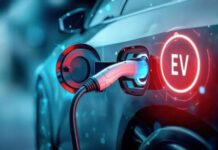

 market size reached USD 41.6 billion in 2024.)