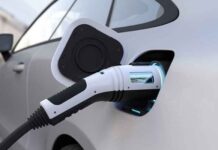

An inventor associated with InventHelp has developed a new solid-state battery system designed to improve performance, safety, and lifespan of electric vehicle batteries. The innovation, currently patent-pending under the reference CNC-1141, aims to address key limitations of conventional lithium-ion batteries used in today’s electric vehicles.
According to the inventor, the new battery system incorporates an advanced control grid and refined ion transfer mechanisms to maximize power output and extend overall battery life. By improving these vital aspects of energy storage, the design could allow electric vehicles to travel longer distances on a single charge and reduce degradation over time — a persistent concern for EV owners.
Unlike traditional lithium-ion cells that rely on liquid electrolytes, the solid-state design uses solid materials to conduct ions between electrodes. This type of architecture has been widely pursued by researchers because solid electrolytes can theoretically offer higher energy density, better safety, and greater thermal stability — essential qualities for next-generation EV batteries.
The announcement comes at a time when the global automotive industry is rapidly advancing battery technology to meet rising demand for cleaner transportation solutions. Automakers and tech firms alike are investing heavily in solid-state research, hoping to overcome production and scalability challenges that have so far prevented widespread commercial deployment.
Representatives for the project say the design is practical and user-friendly, with a working prototype and detailed technical drawings already available for review. The invention is now being offered for licensing or sale to manufacturers and marketers in both the electric vehicle and energy storage sectors, potentially accelerating its path to market.
Industry analysts believe innovations like CNC-1141 could play a key role in enhancing consumer confidence in EVs by addressing range anxiety and durability concerns. If successfully adopted by major battery producers or automakers, solid-state systems could help usher in a new era of safer, more efficient, and longer-lasting electric mobility.