
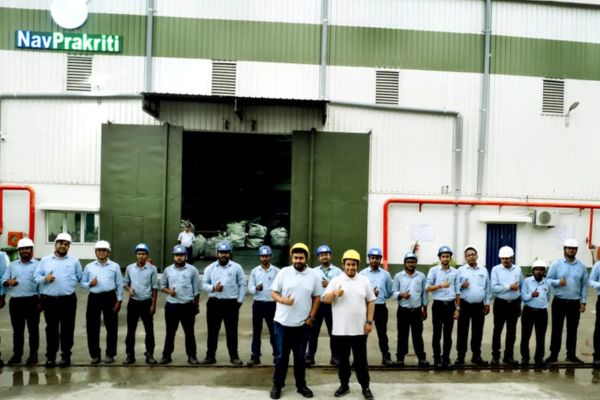
In a strategic move to strengthen India’s clean energy transition, NavPrakriti has inaugurated its advanced lithium-ion battery recycling facility in eastern India – the region’s first of its kind. The facility, located near Kolkata, has been specifically designed to cater to the rapidly growing demand for battery end-of-life management, driven by the surging uptake of electric vehicles (EVs) and energy storage systems.
The new plant is set up as a key hub for responsible disposal and resource recovery of lithium-ion batteries, targeting a circular economy mindset. By processing used battery packs and extracting critical metals such as lithium, cobalt, nickel and manganese, the facility aims to reduce India’s dependence on primary mining and lower the environmental footprint associated with battery manufacturing.
NavPrakriti’s advanced recycling process employs hydrometallurgical techniques instead of traditional high-emission thermal methods, enabling higher recovery rates and a safer, cleaner approach. The company’s internal data indicate recovery efficiencies of up to 95 % for lithium and up to 98 % for cobalt under optimal conditions.
Beyond technology, the plant’s establishment addresses a pressing gap in India’s EV value chain: handling end-of-life batteries, especially in the eastern corridor. With the EV ecosystem expanding fast, the lack of robust recycling infrastructure has been flagged as a bottleneck for sustainability. NavPrakriti’s facility positions the region to meet extended producer responsibility (EPR) regulations more effectively and supports domestic supply of recycled battery-grade materials.
In economic terms, the recycling plant unlocks multiple benefits: cost savings for OEMs via recycled raw materials, reduction in energy and water consumption compared with primary mining, and avoidance of hazardous waste disposal costs. NavPrakriti is pitching these advantages as part of its rationale for scaling up battery recycling across India.
Looking ahead, NavPrakriti aims to expand the facility’s capacity and integrate it into India’s broader circular-battery ecosystem. The company is actively engaging with battery manufacturers, EV OEMs and scrap collection networks to ensure feed-stock availability, traceability and regulatory compliance. With this milestone, eastern India takes a noteworthy step in powering India’s green future — one recycled battery at a time.