

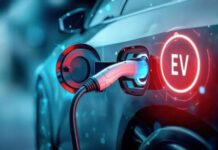
The New Energy Vehicle (NEV) Drivetrain Market is becoming a central pillar of the global automotive electrification movement. As governments, automakers, and consumers increasingly prioritize low-emission transportation, drivetrain technologies designed for electric and hybrid vehicles are gaining rapid momentum. These systems are responsible for converting electrical energy into mechanical motion, enabling efficient propulsion in electric vehicles (EVs), plug-in hybrid vehicles (PHEVs), and fuel-cell vehicles.
With the global shift toward sustainable mobility and the rapid expansion of electric vehicle production, the NEV drivetrain market is witnessing substantial technological innovation and investment worldwide.
Understanding New Energy Vehicle Drivetrains
A new energy vehicle drivetrain refers to the set of components that transmit power from an electric power source to the vehicle’s wheels. Unlike traditional internal combustion engine powertrains, NEV drivetrains rely on electric propulsion technologies.
Typical drivetrain components include:
- Electric motor
- Power electronics (inverters and converters)
- Battery systems
- Transmission or e-axle units
- Control software and energy management systems
These integrated systems ensure efficient energy conversion, improved vehicle performance, and reduced emissions. The transition to electric drivetrains is a key factor enabling cleaner and more energy-efficient transportation solutions globally.
Market Size and Growth Outlook
The global new energy vehicle drivetrain market is projected to expand significantly over the next decade as electric mobility continues to gain widespread adoption.
Key industry projections indicate:
- Market Size (2023): Approximately USD 24.7 Billion
- Projected Market Size (2032): Around USD 97.3 Billion
- CAGR: About 16.5% during the forecast period
Another industry estimate suggests that the broader NEV drive system market could grow from USD 15.3 billion in 2024 to USD 38.5 billion by 2032, highlighting strong investment in advanced drivetrain technologies.
This growth reflects the increasing demand for electric vehicles and the global push toward decarbonizing transportation systems.
Key Drivers of Market Growth
- Rapid Expansion of Electric Vehicles
The rising adoption of battery electric vehicles and plug-in hybrids is one of the most significant drivers of drivetrain demand. As EV production accelerates worldwide, manufacturers are focusing on high-efficiency propulsion technologies.
- Stringent Environmental Regulations
Governments across the world are implementing strict emission regulations to reduce greenhouse gas emissions from transportation. These regulations encourage automakers to transition from conventional internal combustion engines to electric drivetrains.
- Government Incentives and Policy Support
Many countries provide subsidies, tax incentives, and regulatory support to promote EV adoption. These policies significantly accelerate the deployment of NEV drivetrain technologies.
- Technological Advancements
Continuous improvements in battery technology, electric motors, and power electronics are enhancing drivetrain efficiency, vehicle range, and overall performance.
Emerging Industry Trends
Integrated e-Axle Systems
Modern electric vehicles increasingly use integrated e-axle modules, combining electric motors, transmission, and power electronics into a single compact unit. This design reduces weight, improves efficiency, and simplifies vehicle assembly.
Adoption of High-Voltage Architectures
Many new EV platforms are transitioning to 800-volt architectures, which enable faster charging and improved drivetrain efficiency. These systems can increase driving range while reducing energy losses in the drivetrain.
Silicon Carbide (SiC) Power Electronics
Advanced power semiconductor materials such as silicon carbide are improving energy conversion efficiency and enabling high-performance electric drivetrains in next-generation vehicles.
Market Segmentation
The new energy vehicle drivetrain market can be segmented based on several categories:
By Vehicle Type
- Battery Electric Vehicles (BEVs)
- Plug-in Hybrid Electric Vehicles (PHEVs)
- Fuel Cell Electric Vehicles (FCEVs)
By Component
- Electric motors
- Power electronics
- Transmission systems
- Battery and control systems
By Application
- Passenger vehicles
- Commercial vehicles
Passenger vehicles currently dominate the market due to rising consumer demand for electric mobility solutions.
Regional Insights
Asia-Pacific
Asia-Pacific dominates the NEV drivetrain market, supported by strong electric vehicle production and government initiatives promoting sustainable mobility. China in particular has developed a highly integrated supply chain for batteries, motors, and power electronics.
Europe
Europe continues to invest heavily in electrification technologies, driven by strict emission standards and aggressive carbon-reduction targets.
North America
North America is witnessing rapid growth as automakers introduce new EV platforms and governments support EV manufacturing and infrastructure development.
Challenges in the Market
Despite promising growth, several challenges remain:
- High development and manufacturing costs
- Dependence on raw materials for batteries and power electronics
- Complex integration of advanced drivetrain technologies
- Charging infrastructure limitations in some regions
Overcoming these challenges will be essential to achieving large-scale electrification of the transportation sector.
Future Outlook
The future of the New Energy Vehicle Drivetrain Market is closely tied to the global transition toward electric mobility. As EV adoption accelerates and technologies continue to improve, drivetrain systems will become more efficient, compact, and cost-effective.
Key opportunities in the coming decade include:
- High-efficiency electric motor technologies
- AI-driven energy management systems
- Advanced semiconductor materials for power electronics
- Integration of modular e-drive platforms
With governments and automotive manufacturers investing heavily in electrification, NEV drivetrains will remain at the core of next-generation vehicle design and sustainable transportation solutions.


 Drivetrain Market is becoming a central pillar of the global automotive electrification movement.)