According to Growth Market Reports, the global off-grid energy storage system market size reached USD 4.85 billion in 2024, reflecting a robust expansion driven by rising energy demand in remote areas and the increasing adoption of renewable energy sources. The market is projected to grow at a CAGR of 9.1% from 2025 to 2033, with the total value anticipated to reach USD 10.75 billion by 2033. This growth is primarily fueled by advancements in battery technologies, supportive government policies, and the urgent need for reliable, decentralized power solutions in both developed and emerging economies.
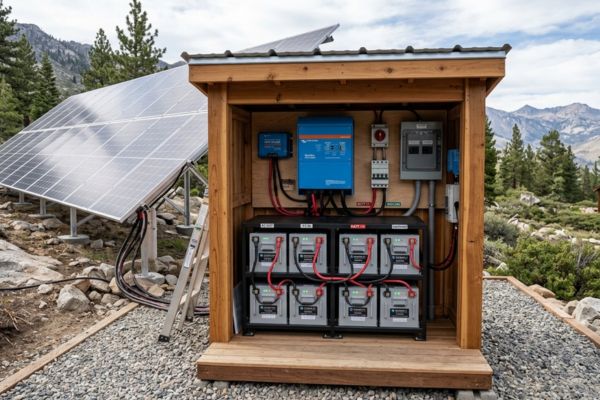
The off-grid energy storage system market has emerged as a critical component of the global transition toward decentralized and sustainable energy solutions. These systems, designed to operate independently of centralized power grids, provide reliable electricity in remote areas, support renewable energy integration, and ensure energy resilience during outages. As energy demand rises and the need for clean, uninterrupted power intensifies, off-grid energy storage systems are becoming indispensable across residential, commercial, and industrial sectors.
Key Market Drivers
Rising Adoption of Renewable Energy
One of the primary drivers of the off-grid energy storage system market is the widespread adoption of renewable energy sources such as solar and wind. These energy sources are inherently intermittent, making storage systems essential for balancing supply and demand. Off-grid storage enables users to capture surplus energy and use it during periods of low generation, ensuring a stable power supply.
As global solar generation continues to rise significantly, the demand for energy storage solutions is expected to grow in parallel, reinforcing the role of off-grid systems in the renewable energy ecosystem.
Increasing Demand for Reliable Power in Remote Areas
Off-grid energy storage systems are particularly valuable in remote and rural regions where extending traditional grid infrastructure is either impractical or cost-prohibitive. These systems provide a reliable and cost-effective alternative, enabling access to electricity for communities, industries, and critical infrastructure.
They are widely used in applications such as rural electrification, telecommunications towers, mining operations, and remote healthcare facilities. The growing need for energy access in underserved regions continues to drive market demand.
Growth of Microgrids and Decentralized Energy Systems
Microgrids localized energy systems capable of operating independently are gaining traction worldwide. Off-grid energy storage plays a central role in these systems by enabling energy generation, storage, and distribution within a confined network.
The shift toward decentralized energy infrastructure is driven by the need for resilience, efficiency, and sustainability. Off-grid storage systems enhance the reliability of microgrids and reduce dependence on centralized power systems.
Increasing Need for Backup Power Solutions
Frequent power outages, grid failures, and natural disasters have heightened the demand for reliable backup power solutions. Off-grid energy storage systems provide uninterrupted power supply during emergencies, making them essential for residential and commercial users alike.
Industries such as data centers, healthcare, and manufacturing rely heavily on continuous power, further boosting the adoption of these systems.
Technological Advancements
Dominance of Lithium-Ion Batteries
Lithium-ion batteries currently dominate the off-grid energy storage market due to their high energy density, long cycle life, and declining costs. They accounted for a significant share of the market and are expected to continue leading in the coming years.
Their efficiency and scalability make them ideal for a wide range of applications, from small residential systems to large industrial installations.
Emergence of Alternative Battery Technologies
While lithium-ion batteries remain dominant, alternative technologies such as sodium-ion and flow batteries are gaining attention. Sodium-ion batteries, for example, offer a cost-effective and safer alternative, using abundant raw materials and reducing dependency on lithium supply chains.
Recent industry developments indicate growing investments in sodium-ion technology, highlighting its potential to reshape the energy storage landscape.
Integration with Smart Technologies
Advancements in digital technologies, including artificial intelligence and IoT, are enhancing the performance of off-grid energy storage systems. Smart energy management systems enable real-time monitoring, predictive maintenance, and optimized energy usage.
These innovations improve system efficiency, reduce operational costs, and enhance user experience, making off-grid solutions more attractive to consumers and businesses.
Future Outlook
The future of the off-grid energy storage system market looks promising, with continued growth driven by technological innovation, policy support, and increasing demand for reliable and sustainable energy solutions. The integration of advanced battery technologies, smart energy management systems, and renewable energy sources will play a crucial role in shaping the market.
As the world moves toward a decentralized energy model, off-grid energy storage systems are expected to become a fundamental component of global energy infrastructure. Their ability to provide reliable, clean, and independent power makes them essential for addressing the challenges of modern energy systems.
Competitive Landscape
Prominent companies operating in the market are:
- ABB Ltd.
- Siemens AG
- Tesla, Inc.
- LG Chem Ltd.
- Sonnen GmbH
- Schneider Electric SE
- General Electric Company
- NEC Energy Solutions
- Samsung SDI Co., Ltd.
- Eaton Corporation plc
- EnerSys
- BYD Company Limited
- Saft Groupe S.A.