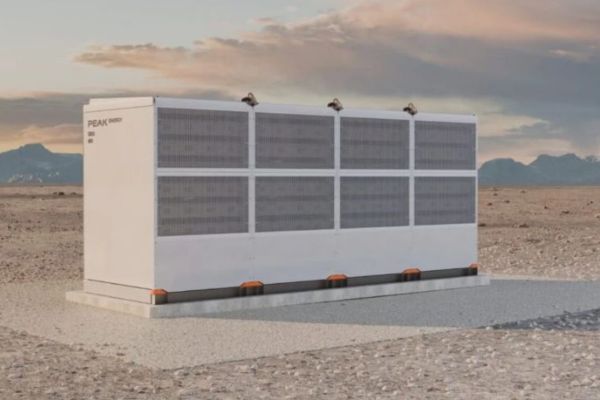
RWE and Peak Energy have partnered to deploy the first sodium-ion battery energy storage project on the US power grid, marking a major step toward alternative battery technologies. The project will test how this new battery chemistry can support reliable electricity supply while reducing dependence on lithium-ion batteries.
The pilot project will be installed in Eastern Wisconsin under the Midcontinent Independent System Operator (MISO) network. Through this initiative, RWE aims to evaluate the real-world performance of sodium-ion batteries and explore cost-effective storage solutions for future grid applications.
Peak Energy’s battery system uses a passively cooled design that removes the need for fans, pumps, and complex thermal management systems. This design helps improve safety, reliability, and long-term performance while also reducing operational and maintenance costs compared to conventional lithium-ion storage systems.
One of the biggest advantages of sodium-ion batteries is the use of abundant and low-cost raw materials such as sodium instead of lithium, cobalt, or nickel. This could help reduce supply chain risks and make battery storage more affordable for large-scale energy projects.
The companies believe this project could help accelerate the adoption of sodium-ion batteries for grid storage, especially as electricity demand continues to rise and renewable energy integration increases. Battery storage plays a key role in storing excess energy and supplying it during peak demand periods.
If the pilot project proves successful, it could open new opportunities for large-scale deployment of sodium-ion storage systems across the US. The collaboration also highlights growing interest in next-generation battery technologies that can support the clean energy transition.