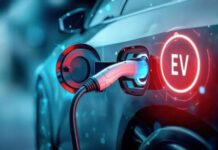

What Are Secondary Batteries?
Secondary batteries, commonly referred to as rechargeable batteries, are energy storage devices designed to be recharged and used multiple times, unlike primary batteries, which are intended for single use. These batteries work on reversible chemical reactions, allowing electrical energy to be stored during charging and released during discharging, making them highly efficient and cost-effective over their lifecycle.
Among the most widely used types, Lithium-ion batteries have become the industry standard for consumer electronics, electric vehicles (EVs), and portable devices due to their high energy density, lightweight design, and long cycle life. Nickel-Metal Hydride (NiMH) batteries are commonly found in hybrid vehicles and household electronics, offering a balance between energy capacity and environmental friendliness compared to older battery technologies.
According to Vision Research Reports, the global secondary battery market size reached at USD 121.75 billion in 2024 and is projected to hit around USD 301.72 billion by 2034, growing at a CAGR of 9.5% between 2025 and 2034. This growth highlights the rising demand for advanced energy storage solutions across electric vehicles, consumer electronics, and renewable energy sectors.
The secondary battery market is experiencing strong growth, driven by rising demand in electric vehicles, consumer electronics, and renewable energy systems. Key types include lithium-ion, lead-acid, and nickel-metal hydride, with lithium-ion dominating due to its high energy density, long cycle life, and lightweight design.
Growth is supported by EV adoption, renewable energy deployment, and increasing use of portable devices, along with innovations like solid-state batteries, fast-charging technologies, and advanced battery management systems. Asia-Pacific leads the market, followed by Europe and North America, while key players include LG Energy Solution, CATL, Panasonic, Samsung SDI, BYD, and SK On.
Why They Are Important – Benefits Over Regular Batteries
Secondary batteries, also known as rechargeable batteries, offer a range of advantages over primary (single-use) batteries. One of the most significant benefits is reusability, which allows these batteries to be charged and discharged multiple times, reducing waste and cost over the long term. Unlike single-use batteries, secondary batteries provide consistent power output, ensuring devices and systems operate efficiently.
Another key benefit is energy efficiency. Modern rechargeable batteries, especially lithium-ion, store more energy in a compact size, making them ideal for portable electronics, electric vehicles, and renewable energy storage. Secondary batteries also contribute to sustainability, as their reusability reduces the environmental burden of battery disposal and raw material extraction. Additionally, they support high-performance applications, including rapid charging and high-drain devices, which are critical for today’s technology-driven world.
Environmental Impact
Secondary batteries are generally more environmentally friendly than single-use batteries because they reduce waste through reuse. However, end-of-life management is crucial. Recycling programs help recover valuable materials such as lithium, cobalt, and nickel, which can be reused to manufacture new batteries, reducing the need for fresh mining and conserving natural resources.
Sustainable battery technologies are being developed to minimize toxic chemical use and improve overall lifecycle performance. For example, research into solid-state and sodium-ion batteries focuses on using abundant, non-toxic materials while maintaining energy efficiency.
New Technologies and Innovations
The secondary battery market is experiencing rapid growth and innovation as industries increasingly focus on efficiency, sustainability, and safety. Several key trends are shaping the landscape:
- Solid-State Batteries: Solid-state batteries are considered a next-generation technology because they replace the liquid or gel electrolyte found in traditional batteries with a solid material. This change significantly improves energy density, allowing batteries to store more energy in a smaller space, which is particularly beneficial for electric vehicles (EVs) and portable electronics.
- Fast-Charging Technologies: Fast-charging solutions are becoming a major focus for manufacturers, addressing one of the key concerns of battery users: long charging times. These technologies enable batteries to charge significantly faster without compromising their lifespan or performance, making them ideal for electric vehicles where charging convenience is critical.
- Second-Life Applications: As electric vehicles become more common, the question of what to do with used batteries has gained importance. Second-life applications involve repurposing retired EV batteries for stationary energy storage systems. These batteries can be used for grid stabilization, solar energy storage, and backup power systems, extending their lifecycle while reducing waste and promoting sustainability.
- Battery Management Systems (BMS): Advanced Battery Management Systems are now integral to modern batteries. These systems monitor voltage, temperature, state of charge, and overall battery health, optimizing performance and extending battery life. BMS technology helps prevent overcharging, deep discharge, and overheating, ensuring safety in high-power applications such as EVs, industrial machinery, and grid storage systems.
- Sustainable Materials: Environmental concerns are pushing the industry toward eco-friendly and recyclable battery materials. Manufacturers are exploring ways to reduce cobalt usage, utilize abundant elements like sodium, and develop bio-based electrolytes. These innovations not only lower environmental impact but also help meet regulatory standards and sustainability targets.
Different Types of Rechargeable Batteries
Secondary batteries, or rechargeable batteries, are available in various types, each tailored to specific applications based on energy density, cost, safety, and performance requirements. Understanding the different types is key to appreciating their role in modern technology and energy solutions.
- Lithium-Ion (Li-ion) Batteries: Lithium-ion batteries are currently the most widely used type of secondary battery, powering everything from smartphones and laptops to electric vehicles (EVs). They are popular because of their high energy density, which allows them to store a large amount of energy relative to their size and weight. This makes them ideal for portable and mobile applications
- Lead-Acid Batteries: Lead-acid batteries are one of the oldest types of rechargeable batteries, and they continue to be widely used, especially in automotive starting, lighting, and ignition (SLI) systems and backup power solutions like uninterruptible power supplies (UPS). These batteries are known for their cost-effectiveness, reliability, and ability to deliver high surge currents.
- Nickel-Metal Hydride (NiMH) Batteries: NiMH batteries are commonly used in hybrid vehicles and household electronics, such as cameras, cordless phones, and power tools. Compared to older nickel-cadmium (NiCd) batteries, NiMH batteries are more environmentally friendly, contain fewer toxic metals, and provide better energy efficiency and longer cycle life.
- Solid-State Batteries: Solid-state batteries represent a next-generation battery technology that is gaining attention for its potential to outperform conventional Li-ion batteries. By replacing the liquid electrolyte with a solid material, these batteries offer higher energy density, longer lifespan, and improved safety, reducing risks such as leakage or thermal runaway.
Challenges and Limitations – Supply, Cost, and Safety Issues
Challenges and limitations in the battery industry are closely tied to supply, cost, and safety concerns. One major issue is the reliance on critical raw materials such as lithium, cobalt, and nickel, which are concentrated in a few regions. This creates supply chain vulnerabilities due to geopolitical tensions, trade restrictions, and ethical sourcing concerns. Additionally, the high production and development costs associated with advanced batteries, including lithium-ion and solid-state types, require substantial investment in manufacturing facilities, research, and technology. These expenses can pose barriers for smaller manufacturers and new market entrants, potentially slowing innovation and limiting competition.
Safety and environmental challenges further complicate the landscape. Lithium-ion and other secondary batteries carry risks such as thermal runaway, short circuits, and overheating, necessitating advanced thermal management systems, strict quality control, and robust battery management technologies for safe operation. Moreover, the recycling and disposal of batteries remain difficult due to the hazardous materials they contain. Complex and costly recycling processes limit the recovery of valuable metals like lithium, cobalt, and nickel, highlighting the need for large-scale, cost-effective recycling solutions to ensure environmental sustainability and reduce dependence on raw materials.
Who Are the Leading Companies in the Secondary Battery Market?
The secondary battery market is led by major players such as Tesla, Panasonic, LG Energy Solution, Samsung SDI, BYD, and CATL, who are driving innovation in lithium-ion and other rechargeable battery technologies for electric vehicles, consumer electronics, and energy storage. These companies focus on high energy density, safety, long cycle life, and sustainability, while other players like Toshiba, A123 Systems, and Exide Technologies serve specialized applications, collectively shaping the growth and development of the global secondary battery market.