
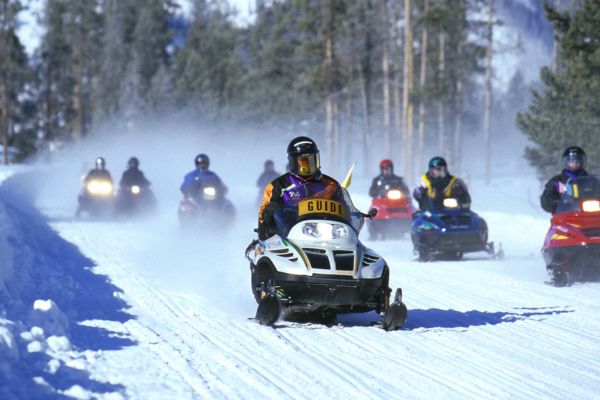
The global Snowmobile Market is poised for sustained growth as winter recreation and utility applications gain traction. According to Acumen Research and Consulting, the Snowmobile Market Size was estimated at USD 1.6 billion in 2022, with projections indicating growth to USD 2.3 billion by 2032, at a compound annual growth rate (CAGR) of around 3.4%. A snowmobile is a motorized vehicle designed for travel over snow and ice, typically used for both recreational and utility purposes. Unlike cars or motorcycles, snowmobiles do not require a road or trail, making them ideal for off-road winter transportation.

1. Snowmobile Market Size and Share
a. Historical baseline and forecast
- In 2022, the global Snowmobile Market Size reached USD 1.6 billion.
- With a projected CAGR of 3.4 % from 2023 to 2032, market value is expected to climb steadily to USD 2.3 billion by 2032.
b. Regional composition
- North America dominates with approximately 38% market share in 2022, underlining the region’s leadership in snowmobiling culture and sales.
- Europe is slated to register the highest regional CAGR of 4% during the forecast period, fuelled by rising winter tourism and winter-sports infrastructure in Nordic countries.
2. Drivers Fuelling Market Growth
a. Rising winter recreation and tourism
The global demand for winter sports and recreational travel has surged, especially in regions with established snowmobiling cultures like North America, Northern Europe, and Japan. Snowmobile tours, backcountry safaris, and organized trail rides are increasingly popular among tourists seeking immersive winter experiences. Post-pandemic shifts toward outdoor, socially distanced activities have also accelerated participation. Resorts and tourism boards are actively promoting snowmobiling as a unique adventure sport, contributing significantly to seasonal economies.
b. Utility and professional applications
Snowmobiles are indispensable tools for remote operations across forestry, oil & gas, search and rescue, border security, and rural healthcare. These vehicles provide dependable transportation in areas inaccessible to conventional vehicles, particularly during winter months. This essential role in critical services ensures stable, year-round demand beyond recreational use—broadening the snowmobile market base.
c. Increasing disposable incomes
In developed regions, higher disposable incomes and a cultural affinity for snowmobiling encourage consumers to invest in high-end models with luxury features. This trend is reinforced by financing options, dealership incentives, and expanding secondhand markets, making snowmobiles more accessible to new users.
d. Technological innovation
Continuous innovation in snowmobile design and technology is redefining the user experience. Lightweight materials, ergonomic controls, heated handlebars, ride-assist features, and electric propulsion are transforming snowmobiles into high-performance, eco-friendly machines. The growing availability of electric snowmobiles also appeals to environmentally conscious consumers and aligns with emission regulations. In addition, smart technologies—like app-based tracking, over-the-air updates, and predictive maintenance—are pushing the market into a connected, data-driven future.
3. Key Trends in the Snowmobile Market
a. Electrification and sustainability
Switch from traditional two-stroke engines toward four-stroke and fully electric models is accelerating. These newer platforms deliver quieter rides, lower emissions, and align with stricter environmental regulations globally. Major brands are launching hybrid and battery-powered snowmobiles to attract eco-conscious consumers.
b. Smart and connected sleds
Integration of over-the-air upgrades, ride analytics, and mobile connectivity is redefining the riding experience. Smart snowmobilers can now monitor performance, safety alerts, and route data via connected platforms—a critical part of snowmobile market trends.
c. Customization and niche segmentation
Consumers increasingly retrofit or personalize snowmobiles with ergonomic accessories, performance kits, and trail-specific upgrades. Trend extends across categories—from trail to utility to mountain models—reflecting evolving rider preferences.
d. Youth-oriented designs
Manufacturers are designing entry-level sleds for younger riders and beginners—lightweight, simplified control interfaces, built-in safety features—expanding the Snowmobile Market Base.
4. Snowmobile Market Segmentation Highlights
- Product Type: Entry-level, mountain, utility, crossover, touring, trail-performance—trail category led the market in 2022, driven by broad recreation demand.
- Engine Type and Capacity: Models range from < 500 cc to > 800 cc; two-stroke remains popular in performance classes, while environmental and efficiency concerns are boosting four-stroke and electric models.
- Seating Configurations: Options range from one-seater utility models to multi-seater touring variants, catering to diverse use-cases and demographics.
5. Challenges and Constraints
a. Seasonal volatility and climate change
Snowmobile Market demand is sensitive to snowfall patterns. Poor winters and shortened seasons can depress demand, especially in regions with variable snow cover.
b. High cost of ownership
New snowmobile units often exceed USD 15,000–20,000, restricting market access. Annual maintenance and accessories add further cost (average $1,500–5,500/year) which can deter prospective first-time buyers.
c. Industry consolidation and OEM pressures
Smaller brands face profitability pressures. Some major OEMs have scaled back or paused production, citing weak demand and rising costs. That trend may reshape competitive dynamics in the Snowmobile Market Share landscape.
d. Regulatory and emission compliance
Emerging emissions norms (such as EPA Tier 4 standards, Canada’s phase-out of two-stroke) require significant R&D investment from OEMs—shifting the Snowmobile Market Report narrative toward cleaner propulsion and sustainability.
6. Regional Outlook and Competitive Landscape
- North America remains the largest regional market, accounting for nearly 38% of global share in 2022, thanks to long seasons and cultural affinity for snowmobiling.
- Europe, particularly Nordic countries, is set to grow fastest—with infrastructure development, winter tourism programs, and trail expansion fuelling growth.
- Asia-Pacific is emerging as an area of opportunity, especially in ski-destination economies in Japan and China where winter adventure tourism is expanding.
Leading Players
Major companies shaping the snowmobile market include Polaris Inc., BRP/Arctic Cat, Yamaha, Ski-Doo, Kawasaki, Lynx, Taiga Motors, and newer electric entrants. Their strategic investments in advanced drivetrains and smart technologies are critical to future industry leadership.
7. Projections and Future Scenario
With electrification rising, and smart features becoming standard, the snowmobile market is expected to evolve beyond recreational use to include eco-tourism, fleet rentals, and utility deployments in remote and sensitive environments.
8. Strategic Implications and Takeaways
- OEMs and brands should accelerate R&D in electric powertrains, lightweight frames, and connectivity features to future-proof their offerings.
- Resorts and rental operators can capitalize on growth by upgrading fleets with eco-friendly models and offering smart safety features.
- Policy makers and tourism boards in snow-prone regions should explore infrastructure investment to support trail development, boosting both local economies and market expansion.
- Consumers and fleet buyers should consider total cost of ownership, including maintenance and seasonal availability, when evaluating snowmobile models.
The snowmobile market stands at an inflection point: sustained growth rooted in recreational demand and utility use, tempered by rising costs and climate unpredictability. With Acumen Research and Consulting offering authoritative insights into snowmobile market, stakeholders across the value chain can make informed strategic decisions.
1. Historical baseline and forecast
- In 2022, the global Snowmobile Market Size reached USD 1.6 billion.
- With a projected CAGR of 3.4 % from 2023 to 2032, market value is expected to climb steadily to USD 2.3 billion by 2032.
b. Regional composition
- North America dominates with approximately 38% market share in 2022, underlining the region’s leadership in snowmobiling culture and sales.
- Europe is slated to register the highest regional CAGR of 4% during the forecast period, fuelled by rising winter tourism and winter-sports infrastructure in Nordic countries.
2. Drivers Fuelling Market Growth
a. Rising winter recreation and tourism
The global demand for winter sports and recreational travel has surged, especially in regions with established snowmobiling cultures like North America, Northern Europe, and Japan. Snowmobile tours, backcountry safaris, and organized trail rides are increasingly popular among tourists seeking immersive winter experiences. Post-pandemic shifts toward outdoor, socially distanced activities have also accelerated participation. Resorts and tourism boards are actively promoting snowmobiling as a unique adventure sport, contributing significantly to seasonal economies.
b. Utility and professional applications
Snowmobiles are indispensable tools for remote operations across forestry, oil & gas, search and rescue, border security, and rural healthcare. These vehicles provide dependable transportation in areas inaccessible to conventional vehicles, particularly during winter months. This essential role in critical services ensures stable, year-round demand beyond recreational use—broadening the snowmobile market base.
c. Increasing disposable incomes
In developed regions, higher disposable incomes and a cultural affinity for snowmobiling encourage consumers to invest in high-end models with luxury features. This trend is reinforced by financing options, dealership incentives, and expanding secondhand markets, making snowmobiles more accessible to new users.
d. Technological innovation
Continuous innovation in snowmobile design and technology is redefining the user experience. Lightweight materials, ergonomic controls, heated handlebars, ride-assist features, and electric propulsion are transforming snowmobiles into high-performance, eco-friendly machines. The growing availability of electric snowmobiles also appeals to environmentally conscious consumers and aligns with emission regulations. In addition, smart technologies—like app-based tracking, over-the-air updates, and predictive maintenance—are pushing the market into a connected, data-driven future.
3. Key Trends in the Snowmobile Market
a. Electrification and sustainability
Switch from traditional two-stroke engines toward four-stroke and fully electric models is accelerating. These newer platforms deliver quieter rides, lower emissions, and align with stricter environmental regulations globally. Major brands are launching hybrid and battery-powered snowmobiles to attract eco-conscious consumers.
b. Smart and connected sleds
Integration of over-the-air upgrades, ride analytics, and mobile connectivity is redefining the riding experience. Smart snowmobilers can now monitor performance, safety alerts, and route data via connected platforms—a critical part of snowmobile market trends.
c. Customization and niche segmentation
Consumers increasingly retrofit or personalize snowmobiles with ergonomic accessories, performance kits, and trail-specific upgrades. Trend extends across categories—from trail to utility to mountain models—reflecting evolving rider preferences.
d. Youth-oriented designs
Manufacturers are designing entry-level sleds for younger riders and beginners—lightweight, simplified control interfaces, built-in safety features—expanding the Snowmobile Market Base.
4. Snowmobile Market Segmentation Highlights
- Product Type: Entry-level, mountain, utility, crossover, touring, trail-performance—trail category led the market in 2022, driven by broad recreation demand.
- Engine Type and Capacity: Models range from < 500 cc to > 800 cc; two-stroke remains popular in performance classes, while environmental and efficiency concerns are boosting four-stroke and electric models.
- Seating Configurations: Options range from one-seater utility models to multi-seater touring variants, catering to diverse use-cases and demographics.
5. Challenges and Constraints
a. Seasonal volatility and climate change
Snowmobile Market demand is sensitive to snowfall patterns. Poor winters and shortened seasons can depress demand, especially in regions with variable snow cover.
b. High cost of ownership
New snowmobile units often exceed USD 15,000–20,000, restricting market access. Annual maintenance and accessories add further cost (average $1,500–5,500/year) which can deter prospective first-time buyers.
c. Industry consolidation and OEM pressures
Smaller brands face profitability pressures. Some major OEMs have scaled back or paused production, citing weak demand and rising costs. That trend may reshape competitive dynamics in the Snowmobile Market Share landscape.
d. Regulatory and emission compliance
Emerging emissions norms (such as EPA Tier 4 standards, Canada’s phase-out of two-stroke) require significant R&D investment from OEMs—shifting the Snowmobile Market Report narrative toward cleaner propulsion and sustainability.
6. Regional Outlook and Competitive Landscape
- North America remains the largest regional market, accounting for nearly 38% of global share in 2022, thanks to long seasons and cultural affinity for snowmobiling.
- Europe, particularly Nordic countries, is set to grow fastest—with infrastructure development, winter tourism programs, and trail expansion fuelling growth.
- Asia-Pacific is emerging as an area of opportunity, especially in ski-destination economies in Japan and China where winter adventure tourism is expanding.
Leading Players
Major companies shaping the snowmobile market include Polaris Inc., BRP/Arctic Cat, Yamaha, Ski-Doo, Kawasaki, Lynx, Taiga Motors, and newer electric entrants. Their strategic investments in advanced drivetrains and smart technologies are critical to future industry leadership.
7. Projections and Future Scenario
With electrification rising, and smart features becoming standard, the snowmobile market is expected to evolve beyond recreational use to include eco-tourism, fleet rentals, and utility deployments in remote and sensitive environments.
8. Strategic Implications and Takeaways
- OEMs and brands should accelerate R&D in electric powertrains, lightweight frames, and connectivity features to future-proof their offerings.
- Resorts and rental operators can capitalize on growth by upgrading fleets with eco-friendly models and offering smart safety features.
- Policy makers and tourism boards in snow-prone regions should explore infrastructure investment to support trail development, boosting both local economies and market expansion.
- Consumers and fleet buyers should consider total cost of ownership, including maintenance and seasonal availability, when evaluating snowmobile models.
The snowmobile market stands at an inflection point: sustained growth rooted in recreational demand and utility use, tempered by rising costs and climate unpredictability. With Acumen Research and Consulting offering authoritative insights into snowmobile market, stakeholders across the value chain can make informed strategic decisions.