
In an era where climate change, rising input costs, and resource scarcity are redefining global agriculture, electric tractors represent a transformative shift toward sustainable farming. As countries seek to reduce greenhouse gas emissions and promote energy independence, electric tractors are emerging as a key technological leap that can redefine the future of farm operations.
The Imperative for Sustainability in Agriculture
Traditional diesel-powered tractors have long been the workhorses of modern farming, powering plowing, tilling, and haulage across fields worldwide. In India alone—the world’s largest tractor market with over 10 lakh units sold in 2022, representing roughly 45 % of global production—diesel dependence significantly contributes to greenhouse gas emissions and local air pollution. However, agriculture’s reliance on diesel also carries economic downsides, with rising fuel prices exerting continued pressure on smallholder margins.
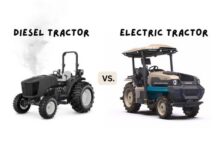
Electric tractors offer a compelling alternative. Powered by battery systems instead of internal combustion engines, these machines eliminate tailpipe emissions, reduce noise, and operate more efficiently. This innovation holds immense promise for accelerating the sector’s transition to lower emissions and boosting long-term profitability.
Market Momentum: Rapid Growth and Future Projections
Although adoption is still nascent—only a handful of electric tractors have been registered in India to date and sales remain minimal relative to conventional units—global market dynamics point to strong growth ahead.
Globally, the electric tractor market is projected to expand rapidly:
- The market value is forecast to grow from approximately USD 3.08 billion in 2025 to over USD 10.25 billion by 2034, expanding at a compound annual growth rate (CAGR) of over 14 %.
- Other industry forecasts suggest a CAGR exceeding 20 % through 2030, with some estimates projecting market value above USD 1.6 billion by 2032.
These figures reflect increasing global commitment to sustainable agriculture, supportive policies, and accelerating innovation in electric powertrain and battery technology.
Economic and Operational Advantages
Electric tractors present several tangible economic benefits that appeal to farmers and agricultural enterprises:
- Lower Operating Costs: Electricity is typically less expensive than diesel fuel, and electric drivetrains have fewer moving parts, leading to lower maintenance costs over the machine’s lifetime. These savings can be significant, especially for small and medium farm operations that constitute the bulk of agricultural producers.
- Enhanced Efficiency: Electric motors deliver instant torque and efficient power transfer, enhancing performance for tasks such as tillage and field transport. This efficiency can translate into greater productivity and reduced energy waste.
- Precision and Smart Farming Integration: Electric tractors are well-suited for integration with precision agriculture technologies. Sensors, GPS systems, and data analytics platforms can be combined with electric powertrains to optimize farm resource use, increase yields, and reduce waste.
Environmental Impact and Climate Benefits
One of the most compelling arguments for electric tractors is their potential to significantly reduce agriculture’s carbon footprint. Conventional tractors emit substantial amounts of CO₂, particulate matter, and nitrogen oxides during routine field operations. By contrast, electric models produce zero tailpipe emissions and can run on renewable electricity, further cutting lifecycle emissions.
In countries like India, where tractors and off-road agricultural machinery contribute to diesel consumption and rural air pollution, electrification aligns with broader environmental goals and public health priorities.
Overcoming Challenges and Enabling Adoption
Despite the promise, electric tractor adoption faces challenges:
- Infrastructure Gaps: Rural charging infrastructure is limited in many regions, making reliable operation difficult without strategic investment. ([India Smart Grid][3])
- Higher Upfront Costs: Electric tractors often have higher initial purchase prices compared to diesel models, creating affordability barriers for farmers.
- Technology Adoption: Battery performance, charging speed, and power output must continue to improve to meet diverse farm needs.
Policy interventions, manufacturer incentives, and cooperative financing models will be crucial to overcoming these barriers and accelerating adoption.
A Sustainable Path Forward
Electric tractors are much more than a technological novelty; they represent a strategic shift toward sustainability, cost efficiency, and climate resilience in agriculture. With global markets poised for robust growth and governments increasingly focused on reducing emissions in all sectors, electric tractors are set to become a fundamental part of the agricultural machinery landscape. Continued innovation, coupled with supportive ecosystems and infrastructure, will unlock their full potential—ushering in a new era of sustainable agriculture that benefits farmers, communities, and the planet alike.