
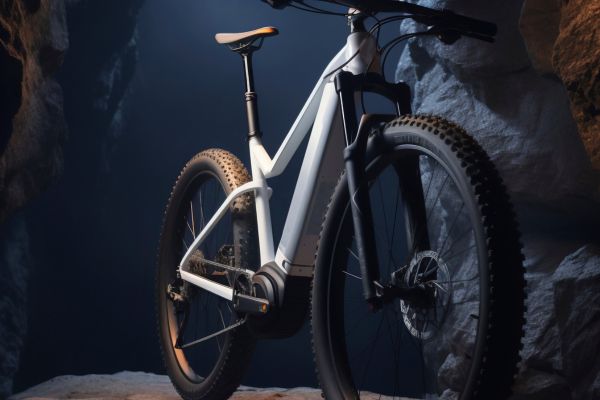
The global Mountain Bikes Market is witnessing strong momentum as outdoor recreation, sustainable transportation, and fitness awareness reshape the automotive & transportation ecosystem. According to a recent study by, the industry is projected to grow at a robust CAGR of 11.2%, reaching approximately USD 26.41 billion by 2032.
Market Overview: A Shift Toward Active and Green Mobility
Mountain bikes, designed for off-road terrains such as gravel paths, rocky trails, and steep slopes, are increasingly becoming a preferred mode of both recreation and eco-friendly transport. Their role in the broader automotive & transportation industry is evolving, as consumers seek alternatives to fuel-powered vehicles and embrace healthier lifestyles.
The surge in global health concerns—including obesity, diabetes, and cardiovascular issues—has significantly influenced consumer behavior. Cycling is widely recommended as a low-impact, high-benefit activity, driving demand for high-performance mountain bikes across both developed and emerging economies.
Key Growth Drivers Transforming the Market
The rapid expansion of the mountain bikes market is underpinned by several high-impact growth drivers:
- Adventure Tourism Boom: Increasing participation in trekking, trail riding, and outdoor sports is fueling demand for durable and versatile mountain bikes.
- Urban Sustainability Trends: Growing environmental awareness and rising fuel costs are encouraging consumers to adopt bicycles as a sustainable transportation alternative.
- Technological Advancements: Innovations such as hydraulic disc brakes, carbon fiber frames, and advanced suspension systems are enhancing performance, safety, and rider comfort.
- Rising Disposable Income: Improved living standards, particularly in emerging economies, are enabling consumers to invest in premium and specialized bicycles.
These factors collectively position the mountain bikes market as a high-growth segment within the broader mobility landscape.
E-Mountain Bikes: The Next Big Disruption
One of the most compelling trends reshaping the industry is the rapid adoption of electric mountain bikes (e-MTBs). Equipped with pedal-assist motors, these bikes make off-road cycling more accessible to beginners and older riders, significantly expanding the customer base.
E-MTBs are also aligning with global electrification trends seen across the automotive sector, reinforcing their importance in future mobility ecosystems. As battery technologies improve and costs decline, this segment is expected to capture a growing share of the market.
Segment Insights: Competition and Leisure Drive Demand
From a segmentation perspective, cross-country mountain bikes currently hold the largest market share due to their widespread use in competitive events and endurance riding.
Meanwhile, the leisure segment is anticipated to grow at a significant pace, driven by increasing interest in recreational activities and nature-based tourism.
On the distribution front, specialty bicycle retailers are emerging as the fastest-growing channel, offering expert guidance, customization, and premium product availability—factors increasingly valued by modern consumers.
Regional Landscape: North America Leads, Global Demand Expands
North America currently dominates the mountain bikes market, supported by a strong culture of outdoor activities, established cycling infrastructure, and frequent competitive events.
However, Asia-Pacific and Europe are rapidly emerging as key growth regions due to expanding tourism, urban cycling initiatives, and increasing consumer awareness regarding health and sustainability. The global nature of demand highlights the market’s resilience and long-term growth potential.
Competitive Landscape: Innovation at the Core
The market is highly competitive, with leading players focusing on innovation, product differentiation, and strategic partnerships. Companies are investing heavily in R&D to develop lightweight materials, improved suspension systems, and smart connectivity features.
Key industry participants include global bicycle manufacturers and specialized performance brands, all competing to capture a share of this fast-evolving market.
Future Outlook: A Convergence of Fitness, Technology, and Mobility
Looking ahead, the mountain bikes market is poised to benefit from the convergence of fitness trends, smart mobility solutions, and sustainable transportation policies. Governments and private organizations are increasingly promoting cycling infrastructure, further accelerating adoption.
Additionally, the integration of digital technologies—such as GPS tracking, performance analytics, and connected devices—is expected to redefine user experiences and create new revenue streams for manufacturers.
Conclusion: A High-Growth Opportunity in Modern Mobility
The global mountain bikes market stands at the intersection of recreation, health, and transportation innovation. With strong growth fundamentals, rapid technological advancements, and expanding consumer adoption, the industry offers significant opportunities for stakeholders across the automotive and mobility value chain.