
The Battery Bottleneck We Can’t Ignore
For all the talk of electric vehicles, renewable energy, and a cleaner future, progress keeps running into the same wall: batteries. Lithium-ion cells marvels of modern engineering have powered everything from smartphones to EVs, but they are nearing their practical limits. Energy density improvements are incremental. Safety concerns persist. Charging speeds and battery lifetimes remain a compromise.
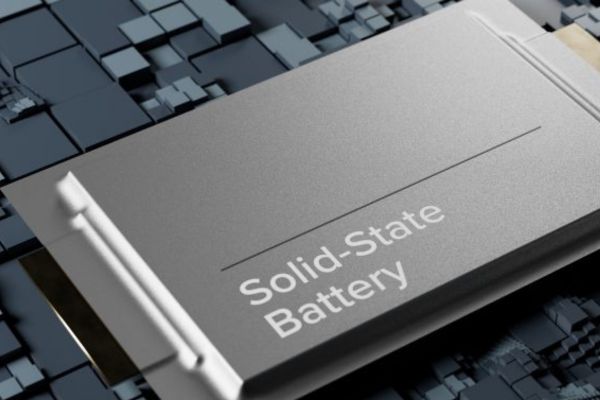
This is where solid-state batteries (SSBs) enter the conversation, often described as the holy grail of energy storage. Replace the flammable liquid electrolyte in conventional lithium-ion batteries with a solid material, and suddenly a cascade of benefits appears possible: higher energy density, faster charging, longer life, and dramatically improved safety.
But if solid-state batteries are so revolutionary, why aren’t they already in our cars?
The journey from lab bench to highway is far more complex than the headlines suggest.
What Makes a Battery “Solid-State”?
At a fundamental level, today’s lithium-ion batteries rely on a liquid electrolyte to shuttle lithium ions between the anode and cathode during charge and discharge. This liquid is efficient—but also volatile. It can leak, degrade, and, under extreme conditions, catch fire.
Solid-state batteries replace this liquid with a solid electrolyte, which can be:
- Ceramic-based (oxides, sulfides)
- Polymer-based
- Hybrid composites combining ceramics and polymers
This single substitution changes everything.
With a solid electrolyte, designers can theoretically use a lithium metal anode instead of graphite. Lithium metal stores far more energy per unit weight, opening the door to significantly higher energy density.
In simple terms: more range, less weight, and better safety.
The Promise: Why Solid-State Batteries Matter
1. Higher Energy Density
Solid-state batteries could deliver 30–70% higher energy density compared to today’s best lithium-ion cells. For EVs, this means:
- 700–900 km range on a single charge
- Smaller, lighter battery packs
- More design freedom for automakers
2. Enhanced Safety
No flammable liquid electrolyte means:
- Reduced risk of thermal runaway
- Better tolerance to physical damage
- Improved safety in high-temperature environments
This is especially critical for electric vehicles, where safety incidents quickly become public and political.
3. Faster Charging
Some solid electrolytes enable higher ionic conductivity and better tolerance to high voltages, potentially allowing EVs to charge in 10–15 minutes without severe degradation.
4. Longer Lifespan
Solid-state designs can reduce unwanted side reactions and electrolyte decomposition, extending cycle life—an essential factor for both EVs and grid storage.
On paper, solid-state batteries seem like the obvious successor to lithium-ion technology.
The Reality Check: Why it’s still in the Lab
Despite decades of research, solid-state batteries face stubborn technical and manufacturing challenges.
1. The Interface Problem
In a liquid electrolyte, the fluid naturally wets the electrode surfaces, ensuring good contact. Solids don’t behave this way.
At the interface between the solid electrolyte and electrodes:
- Tiny gaps can form
- Contact resistance increases
- Performance degrades over time
Maintaining intimate, stable contact across thousands of charge cycles remains one of the hardest problems in solid-state battery engineering.
2. Dendrites Still Exist
One of the biggest myths is that solid electrolytes completely eliminate lithium dendrites. In reality:
- Dendrites can still form
- They can propagate through cracks or grain boundaries
- They can short-circuit the cell
Solid electrolytes slow dendrite growth—but do not magically erase it.
3. Manufacturing at Scale
Producing solid-state batteries isn’t just about chemistry—it’s about manufacturability.
Challenges include:
- High-temperature sintering for ceramic electrolytes
- Moisture sensitivity (especially sulfide-based electrolytes)
- Tight thickness tolerances
- Compatibility with existing gigafactory infrastructure
What works in a lab-scale coin cell often breaks down when scaled to automotive pouch or prismatic cells.
4. Cost Pressures
New materials, new processes, and low initial yields all push costs upward. Automakers need batteries that are not just better—but cheaper at scale.
A Closer Look at Solid Electrolyte Families
Oxide-Based Electrolytes
Oxides such as garnet-type LLZO (Lithium Lanthanum Zirconium Oxide) are:
- Chemically stable
- Air-tolerant
- Relatively safe to handle
However, they are brittle and difficult to process, often requiring high-pressure contact to reduce interface resistance.
Sulfide-Based Electrolytes
Sulfides offer:
- Very high ionic conductivity (comparable to liquids)
- Good mechanical compliance
But they are:
- Extremely sensitive to moisture
- Prone to releasing toxic gases when exposed to air
This makes large-scale manufacturing complex and expensive.
Polymer Electrolytes
Polymers are:
- Flexible
- Easier to manufacture
- Compatible with roll-to-roll processes
Their downside is lower ionic conductivity, especially at room temperature—often requiring elevated operating temperatures.
No single electrolyte family has emerged as a universal winner.
Automakers and Startups: Who’s Racing Ahead?
The push toward solid-state batteries has triggered one of the most intense R&D races in automotive history.
- Toyota has invested heavily for over a decade and targets limited commercial deployment later this decade.
- QuantumScape, backed by Volkswagen, focuses on lithium-metal solid-state cells with ceramic separators.
- Solid Power works on sulfide-based electrolytes and partnerships with BMW and Ford.
- Samsung SDI, LG Energy Solution, and Panasonic are pursuing hybrid solid-state approaches.
Notably, most roadmaps point to hybrid or semi-solid batteries as an intermediate step rather than a sudden leap to fully solid designs.
From Prototype to Pilot Line
Today’s solid-state progress is happening in stages:
- Lab Cells – Coin cells demonstrating high energy density
- Prototype Pouch Cells – Proof-of-concept for automotive formats
- Pilot Production Lines – Testing manufacturability and yield
- Limited Commercial Deployment – Premium or niche applications
Early applications may appear in:
- Luxury EVs
- Performance vehicles
- Aerospace and defense systems
Mass-market adoption will require years of iteration.
The Role of Hybrid and Semi-Solid Batteries
Rather than a binary shift, the industry is moving gradually.
Hybrid approaches include:
- Gel or quasi-solid electrolytes
- Solid electrolyte layers combined with liquid components
- Solid-state separators with conventional cathodes
These designs deliver incremental safety and energy gains while remaining compatible with existing manufacturing lines.
They may not be the final destination—but they are a crucial bridge.
What Needs to Happen Next?
For solid-state batteries to truly reach the road, several breakthroughs must converge:
- Stable, low-resistance interfaces at scale
- Cost-effective manufacturing processes
- Reliable lithium-metal anode integration
- Proven safety over millions of kilometers
Equally important is realism. Solid-state batteries are not a silver bullet—but a powerful evolution of battery technology.
The Road Ahead
Solid-state batteries sit at the intersection of hype and hard engineering. Their potential is real, and the science is sound—but translating laboratory success into mass-produced, affordable, and reliable products is a monumental task.
The most likely future is not a sudden revolution, but a quiet transition. Hybrid designs will enter the market first. Energy density will climb incrementally. Safety margins will improve. And somewhere in the background, solid-state technology will mature—cycle by cycle, factory by factory.
When solid-state batteries finally dominate the road, it won’t feel like a breakthrough moment.
It will feel inevitable.
If lithium-ion batteries powered the first chapter of electrification, solid-state batteries are writing the sequel—slowly, carefully, and with far more at stake.