India’s mobility sector is entering one of its most important decades of transformation. The conversation around electric mobility has moved beyond early adoption and experimentation. It is now about scale, reliability, and ecosystem readiness.
For intercity transportation, this shift could be defining.
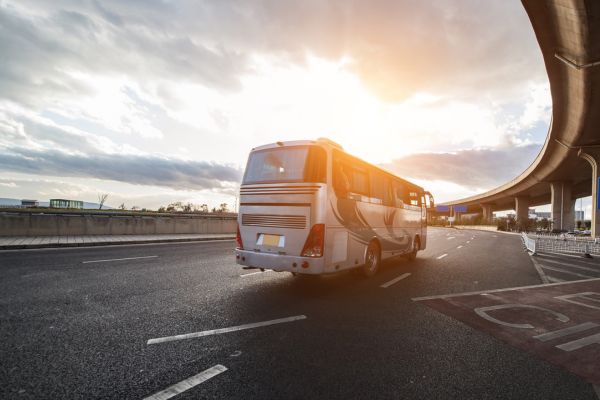
Buses sit at the heart of how India moves. They connect people to work, education, healthcare, family, tourism, and economic opportunity. They are not just a mode of transport; they are a mass-mobility lifeline. Buses account for 57% of passenger-kilometres in India, making their electrification central to the country’s decarbonisation journey.
India has made meaningful progress in electrifying public urban buses through government procurement, falling battery costs, and improving operating economics. But the private intercity segment remains at a much earlier stage of transition. That is where the next frontier lies.
The next phase cannot be seen as simply replacing diesel buses with electric ones. Electric intercity mobility will succeed only when supported by a complete ecosystem: charging infrastructure, financing models, operational technology, maintenance capability, grid readiness, policy clarity, and customer trust.
Beyond vehicles: why the ecosystem matters
India’s electric bus transition has largely been led by the public sector, with more than 95% of current deployments driven by government-led tenders and public transport undertakings. This has helped build confidence, demand visibility, and better procurement models.
However, it does not automatically solve the challenges of private intercity transportation.
The private bus segment accounts for 65–70% of annual bus sales and carries around 220 million passengers daily, yet it remains at an early stage of electrification. Private operators work in a very different environment from city bus systems. Routes are longer, demand is more variable, margins are tighter, and service quality must be managed across fragmented infrastructure.
For them, electrification is not only a sustainability decision. It is an operating decision. Intercity operations need financing innovation, route-level planning, highway charging access, and policy mechanisms that reflect how operators actually run their businesses.
Technology must become the operating backbone
The success of electric intercity mobility will depend as much on software as on hardware.
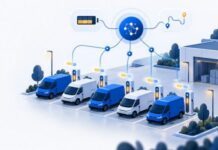
For operators, profitability depends on utilisation, occupancy, energy efficiency, turnaround time, maintenance, and reliability. AI, data analytics, and connected fleet systems can help predict energy consumption, plan charging schedules, reduce breakdowns, improve crew allocation, and match capacity with demand.
This is especially important in intercity travel, where even a small operational miss can affect customer trust. A bus that cannot complete a route because charging was misplanned does not just create a cost problem. It creates a reliability problem. For passengers, reliability is the product.
Technology also shapes the customer experience. Travellers expect seamless booking, live tracking, transparent service information, responsive support, and clear communication during disruptions. Electric intercity travel must not be positioned only as a greener option. It must also be a better travel experience.
Policy must reflect private intercity realities
India has built a strong policy foundation for electric mobility through initiatives such as FAME, PM-eBus Sewa, and PM E-DRIVE. But the next phase must explicitly include the private intercity and commercial fleet context.
Private operators need lower-cost capital, long-tenure financing, battery leasing or Battery-as-a-Service models, highway charging access, reduced approval friction, and clarity around incentives. They also need confidence that the infrastructure will be ready before large-scale fleet transition is expected.
Policy must also address risk-sharing. If operators are expected to take on technology, battery, charging, and demand risk all at once, adoption will remain slow. If these risks are distributed across operators, financiers, OEMs, charging companies, and government support structures, the market can move faster.
The road ahead
India is central to electric bus mobility because of the size of its travel market, the density of its corridors, and the continued relevance of buses as an affordable and flexible mode of transport.
But scaling from early momentum to mainstream adoption requires a shift in mindset. Electric buses cannot be treated only as vehicles purchased under a scheme. They must be treated as part of a mobility-energy-technology system.
Travellers increasingly expect transport choices that are cleaner, safer, more transparent, and more comfortable. But sustainability cannot come at the cost of reliability. The winning model will offer both.
The transition will not be built by vehicles alone. It will be built by ecosystems. Those who invest in that ecosystem today will not just participate in the future of electric intercity transportation. They will help define it.