The Gujarat Electricity Regulatory Commission (GERC) has released draft Distributed Renewable Energy Source (DRES) Regulations, 2026, introducing new provisions aimed at expanding renewable energy adoption across the state. The proposed framework includes Battery Energy Storage Systems (BESS), virtual net metering, and group net metering to support greater consumer participation in clean energy generation.
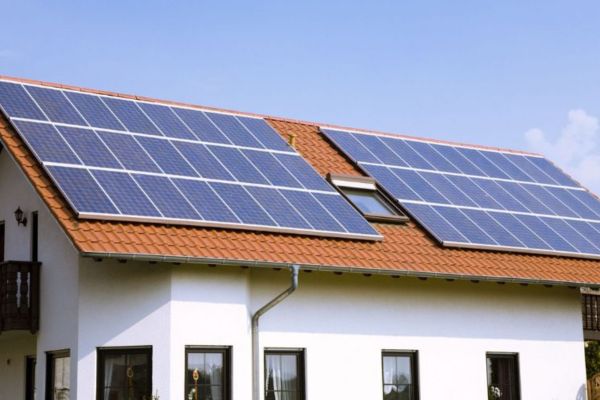
Under the draft regulations, consumers will be allowed to install renewable energy systems either individually or collectively, enabling more flexible access to solar and other renewable power solutions. The move is expected to encourage wider deployment of distributed renewable energy projects while helping consumers reduce their dependence on conventional grid electricity.
A key feature of the proposal is the inclusion of Battery Energy Storage Systems. The regulations would permit consumers to integrate energy storage with renewable energy installations, allowing excess power generated during peak production periods to be stored and utilized when required. This is expected to improve energy reliability and optimize renewable energy consumption.
The draft framework also introduces virtual net metering, which would allow electricity generated from a renewable energy system at one location to be adjusted against consumption at another location under the same consumer category. The mechanism is designed to benefit consumers who may not have sufficient rooftop space or suitable conditions for installing renewable energy systems at their primary premises.
In addition, the proposed regulations provide for group net metering, enabling multiple consumers to collectively own or benefit from a renewable energy project. The generated electricity can be apportioned among participating consumers, supporting community-based renewable energy development and increasing access to clean power solutions.
GERC has invited comments and suggestions from stakeholders on the draft regulations before finalizing the framework. Industry experts believe the proposed measures could strengthen Gujarat’s renewable energy ecosystem, promote energy storage adoption, and accelerate the state’s transition toward a more decentralized and sustainable power sector.