
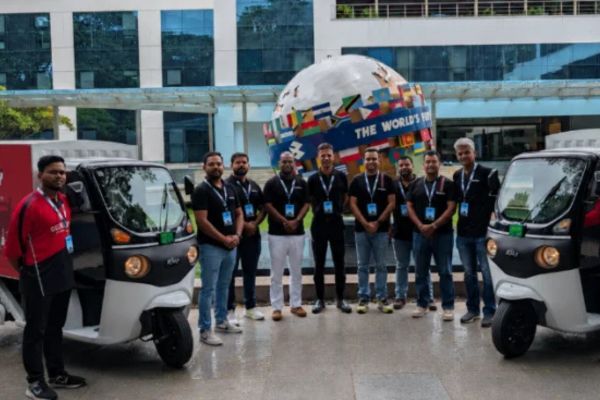
Delhivery has announced a strategic partnership with Bajaj Auto to strengthen its electric last-mile delivery operations by deploying Bajaj RIKI electric cargo vehicles across India. As part of the collaboration, the logistics company will induct 200 electric three-wheelers in the first phase, supporting its ongoing efforts to build a cleaner and more sustainable delivery network.
The partnership is expected to expand significantly over the next two years, with Delhivery planning to deploy up to 1,500 Bajaj electric cargo vehicles across multiple locations. The rollout will include both L3 and L5 electric cargo vehicles, helping the company improve operational efficiency while accelerating the adoption of electric mobility in logistics.
The Bajaj RIKI electric cargo vehicle has been developed for last-mile commercial transportation, offering a practical solution for urban and regional delivery operations. The vehicle is designed to provide dependable performance while supporting lower running costs and reduced emissions compared to conventional fuel-powered cargo vehicles.
With the addition of electric cargo vehicles, Delhivery aims to further strengthen its nationwide logistics network and support environmentally responsible transportation. The company continues to invest in sustainable mobility solutions as part of its long-term strategy to reduce the environmental impact of its delivery operations while meeting the growing demand for efficient logistics services.
The collaboration also reflects the increasing adoption of electric commercial vehicles across India’s logistics sector. As businesses focus on lowering operating costs and achieving sustainability goals, electric cargo vehicles are becoming an important part of modern supply chain and last-mile delivery operations.
The Delhivery–Bajaj Auto partnership marks another positive step in India’s transition towards cleaner transportation. By expanding the deployment of electric cargo vehicles, both companies are contributing to the growth of sustainable logistics while supporting the country’s broader shift towards electric mobility and low-emission commercial transportation.