

The Global Electric Vehicle (EV) Charging Connector Market is a critical enabler of the electric mobility revolution. As electric vehicles quickly penetrate global auto markets, the demand for reliable, efficient, and standardized charging connectors is surging. Connectors are the physical interface between charging infrastructure and EV batteries making them indispensable for seamless power transfer and widespread EV adoption.
Market Overview & Size
According to the latest industry insights:
- Market Size in 2025: ~USD 6.8 Billion
- Projected Market Size by 2035: ~USD 25.3 Billion
- Compound Annual Growth Rate (CAGR): ~16.4 % (2026–2035)
These figures reflect strong growth driven by widespread electric vehicle adoption, supportive policies, and rapid charging infrastructure expansion worldwide.
What Are EV Charging Connectors?
Electric vehicle charging connectors are the hardware components that link charging stations to EV batteries for electric power transfer. They vary by design, compatibility, power capacity, and standards adopted across regions and vehicle models.
Market Segmentation
The market is diversified across multiple dimensions, reflecting different requirements in EV charging environments:
By Connector Type
- Type 1
- Type 2
- CCS (Combined Charging System)
- CHAdeMO
- Tesla Connector
- GB/T
By Charging Level
- AC Charging (dominant segment) – widely used in residential and workplace settings.
- DC Fast Charging – essential for highway and commercial charging.
By Application
- Residential Charging
- Commercial Charging
- Public Charging
- Fleet Charging
By End User
- OEMs (Original Equipment Manufacturers)
- Charging Infrastructure Operators
- Fleet Operators
- Energy Utilities
By Charging Mode
- Plug-in Charging
- Wireless Charging
By Distribution Channel
- OEM Direct
- Distributors/Dealers
- Online Platforms
Key Market Drivers
Rapid Expansion of EV Charging Infrastructure
Deployment of charging stations in cities, highways, workplaces, and homes directly increases demand for charging connectors as more charging points require compatible interfaces.
Standardization and Interoperability Initiatives
Efforts to adopt universal charging standards (such as CCS and Type 2 in Europe, and evolving standards like NACS in North America) are accelerating market growth by simplifying the EV charging experience and reducing fragmentation.
Government Policies and Incentives
Regulations promoting zero-emission vehicles, tax rebates for EV purchases, and incentives for charging infrastructure installation are bolstering market expansion worldwide.
Market Trends Shaping the Future
Standardization of Charging Protocols
To make EV charging hassle-free, industry stakeholders are pushing for universal connectors compatible across brands and regions enhancing interoperability and reducing “charger confusion.”
Wireless Charging Technology
Wireless charging pads are gaining traction for their convenience, eliminating physical cables and improving user experience in both residential and commercial applications.
Smart Grid Integration
Connectors that support smart grid and vehicle-to-grid (V2G) capabilities are emerging, enabling two-way energy flow and optimizing power distribution a key step toward smarter energy systems.
Regional Market Insights
Asia-Pacific – Market Leader
Asia-Pacific accounts for over 50 % of the market share, primarily driven by rapid EV adoption, strong government support, and massive investment in charging networks in countries like China and India.
🇺🇸 North America
Growth is propelled by rising EV sales, infrastructure investment, and emerging standards like NACS gaining traction.
🇪🇺 Europe
Strict emissions regulations and early adoption of standardized connectors like Type 2 and CCS bolster demand.
Market Restraints
Fragmentation & Lack of Universal Standards
Different regions and manufacturers historically used varied connector types, complicating interoperability and user convenience though this is slowly changing with standard harmonization.
High Initial Infrastructure Costs
Building robust charging infrastructure, including high-power connectors and fast chargers, requires significant investment, which can slow growth in cost-sensitive regions.
Opportunities Ahead
Universal High-Power Charging Solutions
Developing globally accepted high-power charging connectors can drastically improve EV adoption, especially for long-distance travel and public fast charging networks.
Smart & V2G-Ready Connectors
Connectors that support advanced grid communication and bidirectional power transfer can unlock new functionalities like grid stabilization and renewable energy integration.
Competitive Landscape
Key players are actively innovating to improve connector performance, interoperability, and integration capabilities. Major companies include:
- Siemens AG
- Bosch GmbH
- EVBox Group
- Schneider Electric SE
- Delta Electronics, Inc.
- ChargePoint Holdings, Inc.
- Hubbell Incorporated
- Mennekes Elektrotechnik GmbH & Co. KG
- ClipperCreek, Inc.
- Webasto SE
(and others driving global connector ecosystem expansion)
Conclusion
The Electric Vehicle Charging Connector Market is poised for rapid and sustained growth through 2035, underpinned by surging EV adoption, supportive government policies, and intensified efforts toward seamless charging interoperability. As the world accelerates toward electrified transportation, charging connectors will remain pivotal components facilitating energy transfer, enhancing user experience, and powering the next era of clean mobility.

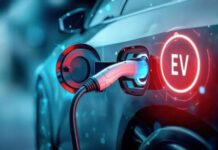

 Charging Connector Market is a critical enabler of the electric mobility revolution.)