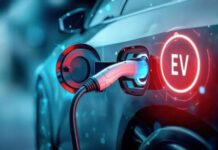

The European automotive market is on the verge of a major transformation, driven by numerous trends such as the rising popularity of electric and hybrid vehicles, new technology developments like self-driving and connected vehicles, and government incentives supporting the shift to cleaner transportation. Additionally, the growth of charging infrastructure and renewable energy is further boosting demand for electric vehicles (EVs) across Europe. These trends are reshaping the market, creating a shift towards more sustainable and innovative transportation solutions.
How Is Electrification Driving Growth in the European Automotive Market?
Electrification is one of the most significant drivers of growth in the European automotive market. With stringent emission regulations and substantial government subsidies, there is a massive push towards electric and hybrid vehicles. This transition to electric mobility is not only supporting climate change goals but also creating substantial consumer demand for green solutions. European automakers are responding with increased production of electric vehicles, investing in battery manufacturing, and expanding charging infrastructure, all of which are fueling the growth of this sector.
What Technological Innovations Are Fueling the European Automotive Market?
Technological innovation plays a crucial role in the European automotive market’s expansion. Advancements in connected car features, smart navigation, autonomous driving technologies, and AI-driven safety systems are driving consumer demand for new vehicles. Automakers are increasingly partnering with tech companies to integrate digital solutions into vehicles, enhancing user experiences and safety. As these technologies evolve, they not only improve the driving experience but also increase efficiency and reduce costs, providing a significant market boost.
What Are the Major Opportunities in the European Automotive Market?
Several key opportunities exist in the European automotive market, particularly in the areas of autonomous mobility and green infrastructure. Autonomous driving technologies, including self-driving cars, trucks, and buses, represent a significant opportunity for reducing accidents, lowering costs, and increasing efficiency in both public transport and logistics. Additionally, building green infrastructure, such as EV charging stations and hydrogen refueling points, is essential to support the growing demand for electric and hydrogen vehicles, thus contributing to long-term sustainability and mobility goals.
Why Is the Passenger Cars Segment Dominating the European Automotive Market?
The passenger cars segment is the largest category in the European automotive market, capturing around 35% of market share. These vehicles are preferred for everyday commuting, family travel, and leisure due to their affordability, fuel efficiency, and flexibility. As the demand for cleaner vehicles rises, passenger cars, particularly electric models, are increasingly becoming the go-to option for consumers. Their ability to blend technology with affordability makes them especially appealing in urban and suburban settings, where individual mobility remains in high demand.
What Is Driving the Shift from Internal Combustion Engines to Electric Vehicles in Europe?
Internal combustion engine (ICE) vehicles have traditionally dominated the European market, but the shift towards electric vehicles (EVs) is gaining momentum. In 2025, ICE vehicles still hold a significant market share, but the growing demand for cleaner mobility, driven by EU emission targets and consumer preferences, is propelling the rise of battery electric vehicles (BEVs). Government incentives, the expansion of EV infrastructure, and falling battery prices are all contributing to the rapid adoption of BEVs, positioning them for significant growth in the coming years.
How Are Fuel Type Preferences Shifting in the European Automotive Market?
The gasoline segment continues to dominate the European automotive market, capturing almost 40% of market share. However, there is a clear shift towards electric and hydrogen fuel types, which are expected to grow rapidly in the coming years. As Europe pushes for carbon-neutral transport, the demand for electric and hydrogen vehicles is increasing, supported by consumer incentives, government policies, and infrastructure developments. This trend is expected to transform the fuel landscape of the region’s automotive market.
What Transmission Type Is Dominating the European Automotive Market?
In 2025, the manual transmission segment still holds a dominant position, capturing 50% of the European automotive market. Manual transmissions have traditionally been preferred due to their affordability and the driving habits of European consumers. However, the growing demand for comfort, particularly in urban environments, is driving the rise of automatic transmission vehicles. This shift is further accelerated by the increasing popularity of electric vehicles, which predominantly use automatic transmissions due to their simpler drivetrains.
What Are the Key Sales Channels in the European Automotive Market?
The OEM/new vehicle sales segment is the dominant sales channel in the European automotive market, accounting for 65% of market share. Consumers continue to prefer new vehicles due to the latest technology, warranties, and government incentives for clean vehicles. However, the aftermarket/used vehicle sales segment is growing rapidly as consumers seek more affordable options, particularly in the context of rising living costs and longer delivery times for new cars. The used vehicle market is also benefiting from the growing interest in second-hand electric vehicles, which are more affordable than new models.
How Are Different Applications Shaping the European Automotive Market?
The personal mobility segment dominates the European automotive market, representing 55% of market share. Car ownership for commuting, leisure, and family purposes remains highly valued across Europe, with many consumers opting for personal vehicles due to their flexibility and comfort. However, the commercial and logistics segment is expected to be the fastest-growing, driven by the expansion of e-commerce and last-mile delivery services. Increasing demand for electric vans and trucks, along with government incentives for clean logistics, is further accelerating this growth.
How Do End-Users Influence the European Automotive Market?
Individual consumers make up 55% of the European automotive market, driven by the desire for independence, convenience, and comfort. Personal car ownership remains a preferred choice, especially as new technologies like connectivity and safety features become more affordable. However, fleet operators are expected to become the fastest-growing end-user segment, as businesses expand their fleets for logistics, ride-hailing services, and corporate car use. Government policies and incentives for green fleet initiatives are also helping to spur this growth.
Why Is Germany Leading the European Automotive Market in 2025?
Germany remains the dominant force in the European automotive market, thanks to its strong manufacturing base, world-renowned automakers like Volkswagen, BMW, and Mercedes-Benz, and substantial investments in electric and autonomous vehicles. The country is a leader in automotive innovation, with significant R&D spending and a strong export network. Germany’s commitment to reducing emissions and advancing green technologies further solidifies its position as the leading automotive market in Europe.
What Role Do Other European Countries Play in the Automotive Market?
Other European countries, such as France, the UK, and Italy, also contribute significantly to the automotive market. France is experiencing rapid growth in electric mobility, supported by strong government incentives for EV purchases and infrastructure expansion. The UK is focusing on increasing the number of electric vehicles, with plans to ban the sale of new petrol and diesel cars by 2035. Meanwhile, Italy’s automotive market is characterized by a mix of mass-market and luxury brands, with growing interest in electric and hybrid vehicles to meet EU emissions standards.
Conclusion
The European automotive market is undergoing a significant transformation, driven by electrification, technological innovation, and a shift toward sustainable mobility solutions. As governments, consumers, and automakers embrace green alternatives, the market is poised for rapid growth, with opportunities in autonomous mobility, green infrastructure, and emerging vehicle technologies. Europe is well-positioned to lead the global automotive revolution, setting the stage for a cleaner, more connected future in transportation.