
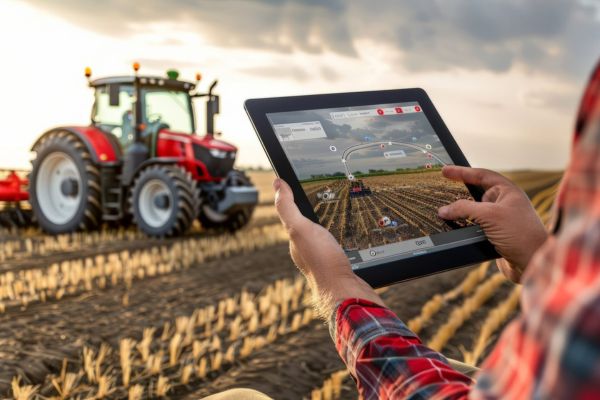
Artificial intelligence is rapidly reshaping the future of electric tractors manufacturing, creating a new era of precision, efficiency, and sustainability for the agricultural sector. As global agriculture faces rising fuel costs, labour shortages, climate pressures, and increasing food demand, manufacturers are turning to AI-driven systems to accelerate innovation and improve operational performance across the electric tractor value chain.
ral economies like India, AI-powered electric tractor manufacturing presents a major opportunity. India’s agricultural sector is steadily embracing mechanisation, digital farming, and clean energy solutions. AI-driven production can help domestic manufacturers reduce manufacturing costs, improve scalability, and localize advanced technologies for small and medium farmers. In addition, the integration of renewable energy with electric tractors, particularly solar-powered charging infrastructure, is creating new pathways for sustainable rural mobility and energy independence.
However, the transition is not without challenges. High battery costs, limited rural charging infrastructure, and concerns around reliability continue to affect adoption. Some AI tractor startups globally have also struggled with commercialization and operational performance, highlighting the importance of balancing innovation with practical execution.
Despite these hurdles, AI-driven manufacturing is expected to remain central to the evolution of electric tractors. As manufacturers continue investing in automation, robotics, predictive analytics, and intelligent mobility solutions, electric tractors are poised to become smarter, more efficient, and increasingly accessible. The convergence of AI, electrification, and precision agriculture is not only redefining farm equipment manufacturing but also shaping the future of sustainable farming worldwide.
In the coming years, manufacturers that successfully combine AI capabilities with sustainable engineering will lead the next phase of agricultural transformation. The future electric tractor will no longer be viewed as simply a vehicle, but as an intelligent farming platform capable of improving productivity, reducing environmental impact, and supporting resilient food systems for a growing global population.
By Kaustubh Dhonde, Founder & CEO, AutoNXT