
Urban India is witnessing a logistics boom like never before, with the market for quick commerce being worth $60-70 billion and expected to grow to $25-55 billion by 2030. But this explosive expansion has a major environmental cost conventional petrol operated two-wheelers for delivery operations are major contributors to carbon emissions and rising fuel prices in denser cities. Electric mobility is coming out as the revolutionary solution that solves both the need for speed of delivery and the imperative of environmental sustainability.
The Environmental Imperative
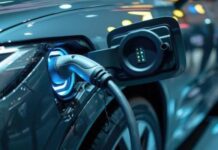
The use of fossil fuel-based vehicles in the logistics industry has for long been a cause of urban air pollution. With expectations of instant delivery on the increase and city populations on the rise, the consequences of conventional delivery methods on the environment cannot be disregarded any longer. Zero tailpipe emissions are made by electric vehicles, reducing air pollution in megacities considerably as well as reducing noise pollution building cleaner, quieter cities.
Technology-Driven Transformation
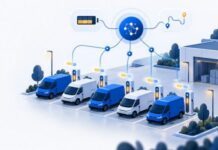
Contemporary electric mobility solutions utilize AI-powered electric two-wheelers integrated with intelligent battery swapping technology to overcome the limitations of traditional EVs. Battery swapping technology allows riders to swap exhausted batteries in a matter of minutes, providing uninterrupted deliveries without tedious charging downtime. AI-backed platforms optimize routes, forecast demand, and manage the fleet smartly, minimizing delivery delays while maximizing operational efficiency and customer satisfaction.
Measurable Impact at Scale
The actual-world contribution of electric mobility in city logistics is significant. Platforms such as Zypp Electric have made more than 110 million zero-emission deliveries, which have led to an avoidance of more than 55 million kilograms of carbon emissions. With operations in large cities using more than 20,000 EVs, these platforms prove that speed and sustainability are not conflicting. In Delhi-NCR alone, electric mobility solutions now service 15-20% of all rapid commerce orders.
Economic Gain for All Parties
Electric mobility provides a win-win-win situation for companies, delivery partners, and customers. For companies, EVs provide less expensive operations with no fuel costs and low maintenance needs, causing last-mile logistics to be less expensive while enabling companies to fulfill their ESG obligations. Delivery partners gain from economic leasing schemes that remove initial vehicle investments, with the highest earners recording monthly income of close to ₹99,949 during festival seasons. This empowerment of the gig economy employees especially 22,000 lower-strata youths from tier 2/3/4 cities opens up economic independence to people who had no access to bank accounts or financing.
Strategic Partnerships Driving Adoption
The electric mobility revolution in city logistics is fueled by value chain strategic alliances. Alliances with fast commerce champions such as Zepto, Blinkit, BigBasket Now, and Swiggy Instamart, and food delivery platforms Zomato and Swiggy, have provided enormous scale with sustainability performance standards. New partnerships with EV manufacturers to roll out more high-speed electric scooters show the increasing faith in electric mobility’s commercial viability for logistics.
The Road Ahead
The urban logistics of the future are firmly electric, with aggressive plans for growth to 100,000 EVs in the next 12-18 months and coverage in the top 10 Indian cities. The launch of electric three-wheelers for bulk delivery and the creation of AI-powered analytics will further streamline fleet operations. While cities embrace electric mobility policies and companies increasingly focus on sustainable operations, the integration of clean energy into logistics operations makes electric mobility the foundation of future-proofed urban growth.
Electric mobility is not only revolutionising urban logistics but also redefining the entire system by demonstrating that instant delivery, affordability, and environmental stewardship can harmoniously coexist. The transition away from fossil fuels to electricity is not only a technological leap, but a rethinking of how cities can expand without sacrificing the planet for future generations.