
Electric vehicles have matured beyond being defined solely by battery range or motor output. As adoption accelerates, operational reliability increasingly depends on components that sit at the surface of the vehicle: cameras integrated into painted panels, radar modules concealed behind fascia, ultrasonic sensors embedded in bumpers and charging interfaces exposed repeatedly to environmental conditions. These elements function at the intersection of materials science and electronics, where surface coatings, moisture behaviour and long-term environmental exposure begin to matter as much as software sophistication.
As electric vehicle volumes expand across diverse climates and road conditions, externally mounted systems are encountering levels of environmental exposure that were once limited to smaller fleets. According to the World Economic Forum, EV sales are expected to exceed 20 million units in 2025, accounting for more than one-quarter of global car sales. At that level of global penetration, durability challenges that once appeared marginal become statistically significant across varied climates and usage conditions.
Advanced driver assistance systems rely on cameras and radar units that interpret their surroundings continuously. These systems operate through protective housings that must remain optically clear and electronically stable. Synthetic exterior paints and coatings form part of this interface. The way a surface reflects light, the texture of the coating and even minor differences in paint thickness can affect how clearly a camera interprets its surroundings, especially once moisture and road residue begin to settle around the lens housing. Calibration accounts for factory conditions, but vehicles operate in rain, dust and fluctuating temperatures, and those variables gradually alter the consistency that sensors rely upon.
Anyone who has driven through a heavy downpour knows that water rarely leaves a surface untouched. It settles along panel gaps, gathers around camera housings and mixes with fine dust and road grime before drying into a thin film. Over months of use, those repeated exposure cycles can dull lens edges or leave residue on protective covers, particularly in humid coastal regions or cities with high particulate levels. The change is gradual rather than dramatic, but even minor visual distortion can affect how consistently perception systems interpret their surroundings in dense traffic conditions.
Recognising the operational sensitivity of perception systems, manufacturers and suppliers are adjusting their engineering priorities. Reuters recently reported that automotive suppliers are developing radar systems specifically engineered to operate reliably in rain, snow and dust, reflecting industry acknowledgement that environmental resilience remains a practical constraint on sensor accuracy. Such efforts illustrate that reliability now extends beyond algorithm design into surface durability and atmospheric tolerance.
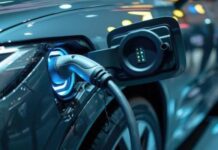
Charging ports are exposed every time the vehicle is plugged in, often in rain, humidity or roadside dust. Even with protective covers in place, moisture can linger around the connector area after repeated use, particularly in cities where humidity levels remain high for much of the year. Over time, that exposure affects how cleanly the interface operates. The surrounding panel design and finish also determine whether water drains away quickly or settles briefly near the contact points before drying.
A 2025 J.D. Power study found that drivers encountered non-charging incidents between 12 and 25 percent of the time at public charging stations. Although these figures relate primarily to station functionality, they reinforce how charging reliability directly shapes consumer confidence, making hardware resilience a tangible ownership concern rather than an abstract engineering topic.
Synthetic colours and coatings introduce further nuance. The choice of exterior finish is not entirely cosmetic once sensors are embedded into body panels. Some surfaces show glare more readily in bright conditions, while others tend to reveal dust and water marks sooner after exposure. Over time, these small visual differences influence how clean and consistent the area around camera housings remains between washes.
Matte finishes behave differently under prolonged humidity retention. These distinctions may appear cosmetic, yet perception hardware depends on stable optical surroundings to maintain calibration consistency. With years of use, exposure to weather and contaminants inevitably alters surface condition, and those small changes can begin to show up in how reliably adjacent sensors operate.
Aftermarket modifications add complexity. Cosmetic work such as repainting or adding protective film can introduce differences around sensor locations that are not always immediately visible. Even modest variations in paint build or additional surface layers may influence how radar or ultrasonic units perform when positioned behind body panels. These systems are set up in production with a certain surface condition in mind, so changes to that finish can affect how consistently they behave over time.
Regulatory oversight is expanding alongside technological integration. Reuters reported in early 2026 that China will require electric vehicle manufacturers to strengthen ongoing monitoring of vehicle safety and system performance under updated rules, signalling broader institutional recognition that connected EV systems must demonstrate sustained reliability in real-world conditions. In practice, that oversight will include tracking sensor reliability and charging system performance as vehicles operate across varied climates and usage conditions.
Over time, the condition of exterior panels begins to matter more than most owners realise. Camera housings, sensor surrounds and charging connectors tend to behave more consistently when the surrounding surfaces are kept clear of accumulated grime, particularly in regions where humidity or airborne dust is a regular part of daily driving. In coastal cities or regions with heavy seasonal rainfall, paying closer attention to moisture exposure can make a noticeable difference. Durability in an electric vehicle is measured as much by the resilience of exposed components as by the condition of the battery pack over time.
Electrification has increased reliance on distributed sensors and externally accessible charging hardware. As annual global volumes cross twenty million units, environmental tolerance becomes integral to product credibility. Cameras require sustained optical clarity. Radar modules depend on stable transmission surfaces. Charging connectors demand corrosion resistance under repeated exposure cycles.
Reliability, therefore, is shaped not only by software updates and battery chemistry but also by surface engineering and moisture behaviour. Synthetic colours and protective coatings may appear aesthetic decisions, yet their interaction with environmental conditions influences how consistently critical systems perform. For vehicles built around distributed sensors and software integration, surface condition plays a direct role in sustaining performance over time.