

India’s electric vehicle landscape is rapidly shifting as Tata Motors, the long-standing market leader, loses ground to rivals JSW MG Motor and Mahindra & Mahindra, according to recent industry data.
Once commanding about 70% of the market in early 2024, Tata’s EV share fell to approximately 53% by mid‑2025, as MG’s stake grew to nearly 28% and Mahindra surged past 20%.
In fiscal year 2025 (April 2024–March 2025), Tata sold roughly 57,600 EVs—down from 64,500 in FY24—earning a market share of 53%, compared to MG’s 30% share following strong annual sales growth .
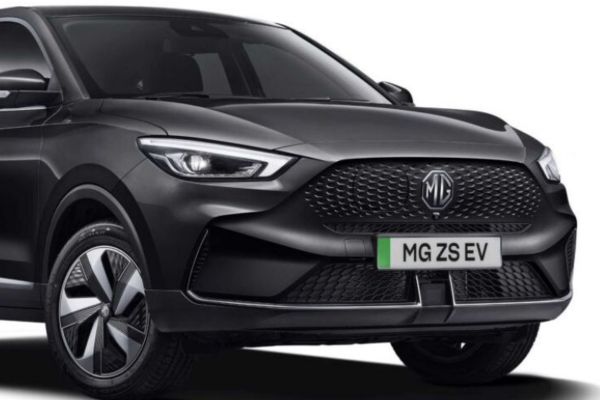
The upswing for MG Motor is fueled by its successful Windsor EV and innovative Battery-as-a-Service (BaaS) model. Monthly sales of the Windsor have consistently topped 3,000 units since its October 2024 launch. MG’s BaaS plan reduces upfront costs, increasing consumer appeal.
Mahindra’s rapid rise—21% market share in May 2025—has been driven by its latest Born Electric SUVs, the BE 6 and XEV 9e. These models debuted in late 2024 and early 2025 and have seen strong consumer traction.
Despite Tata’s setbacks—EV registrations dropping 19% YoY in May 2025—the company still leads with popular models like Nexon EV, Tiago EV, Tigor EV, and Punch EV. However, its share slipped to 35.4% in May, down from over 50% a year prior.
Market watchers note India’s EV sector is accelerating, with May 2025 sales up over 50% YoY to more than 12,000 units in two months of FY26. This intensifying competition is expected to improve consumer choice and affordability.
The shifting dynamic in India’s EV market underscores a broader trend: Tata’s early advantage no longer guarantees dominance. Well-priced alternatives, flexible ownership models, and expanding lineups are fueling a more competitive and dynamic EV market.

