
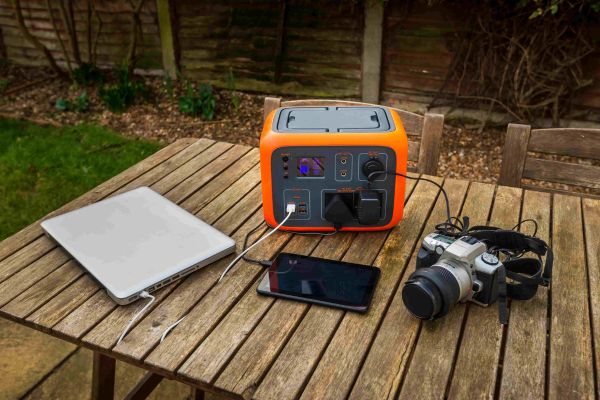
Since August 18, 2025, the EU Battery and Waste Battery Regulation (EU) 2023/1542 has been fully applicable across the European Union, replacing the previous Battery Directive. As a directly binding regulation rather than a directive requiring national transposition, it introduces stricter, more harmonized requirements that apply consistently across all Member States. While the regulation is now in force, several obligations are being phased in over time, meaning manufacturers and suppliers must continually adapt to evolving and increasingly complex compliance expectations.
Unlike its predecessor, the regulation governs the full battery lifecycle, from raw material sourcing and design through use, reuse and end-of-life management. This shift embeds circular economy principles directly into EU law and significantly broadens the scope of what manufacturers must demonstrate, covering restricted substances, carbon footprint declarations, minimum recycled content, conformity assessment, CE marking, supply chain due diligence and transparency for both regulators and consumers.
The regulation also introduces a five-category classification system, covering electric vehicle batteries, light means of transport batteries, industrial batteries, starter, lighting and ignition batteries and portable batteries. Each category carries its own testing, documentation and conformity assessment requirements, adding a further layer of precision and complexity for manufacturers, importers and suppliers across the value chain.
For an industry already navigating rapid growth in battery variety and application, from automotive and mobility to consumer electronics and energy storage, this represents a marked increase in regulatory risk. Meeting the new requirements calls for closer coordination across engineering, compliance and procurement functions, along with stronger data governance and lifecycle-wide oversight, rather than isolated testing or standalone declarations.
The regulation also introduces significantly more stringent requirements for technical testing, documentation and independent verification. Authorized Notified Bodies now play a more prominent role in conformity assessment procedures, helping strengthen regulatory oversight and support consistent application across the EU market.
SGS is supporting manufacturers and suppliers through this transition with integrated, end-to-end services spanning regulatory interpretation, testing, verification and conformity assessment. Drawing on its global network of experts and testing facilities, SGS offers a single point of support across the entire battery lifecycle, helping companies reduce risk, optimize resources and maintain access to the EU market as requirements continue to evolve. This integrated approach helps manufacturers prepare for both current obligations and future regulatory requirements.


 2023/1542 has been fully applicable across the European Union.)