

Toyota Motor Corporation has announced another postponement of its much-anticipated electric-vehicle (EV) battery manufacturing facility in Japan Fukuoka Prefecture, signalling caution amid shifting market dynamics.
The plant, originally planned on a sprawling site of about 280,000 square-metres and designed to produce next-generation solid-state and advanced lithium-ion batteries for mass-market EVs by around 2028, has seen its location-agreement timeline slide by several months.
A Toyota spokesperson emphasised that the project is not being cancelled, but is under strategic review. “We are evaluating investment timelines and production capacities based on evolving global demand for EVs,” the company said.
Industry analysts point to several contributing factors: moderate global adoption of EVs, rising cost pressures, supply-chain headwinds and increasing competition particularly from Chinese automakers. These elements are prompting Toyota to recalibrate its electrification roadmap.
Despite the delay in Japan, Toyota reiterated its broader commitment to battery and EV technology. The automaker continues R&D investment in advanced battery systems and pursues other regional initiatives, underlining its diversified strategy that includes hybrids, plug-in hybrids, fuel cells and full-battery EVs.
Looking ahead, Toyota expects to announce a revised timeline for the Fukuoka battery plant by late 2026 and is keeping its global electrification strategy active while staying cautious in execution until market and infrastructure conditions become more favourable.

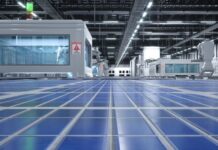

 battery manufacturing facility in Japan.)