

As electric vehicles (EVs) gain momentum worldwide, the focus is shifting from adoption to infrastructure specifically, how to charge vehicles faster, more efficiently, and more sustainably. One of the most promising developments in this direction is ultra-fast EV charging combined with Vehicle-to-Grid (V2G) integration. Together, these technologies have the potential to reshape how we think about mobility, energy management, and grid stability. While ultra-fast chargers reduce waiting time for EV owners, V2G technology allows vehicles to act as mobile energy storage units, feeding power back into the grid when needed. This synergy represents a significant step toward a smarter, cleaner, and more resilient energy ecosystem.
The Need for Ultra-Fast Charging Solutions
One of the biggest barriers to mass EV adoption remains charging time. Traditional AC chargers can take several hours to fully charge a battery, which limits convenience for users, especially in commercial or long-distance applications. Ultra-fast DC charging, capable of delivering power at rates exceeding 150 kW and, in some cases, up to 350 kW addresses this issue by reducing charging time to as little as 15 to 30 minutes.
The key to ultra-fast charging lies in high-power delivery and advanced thermal management systems that prevent overheating. These chargers use sophisticated cooling mechanisms and high-voltage architectures (typically 800V systems) to handle rapid energy transfer without damaging the battery. Automakers such as Porsche, Hyundai, and Tesla are already integrating these systems into their vehicles, signaling the industry’s shift toward faster and more efficient energy replenishment.
However, to make ultra-fast charging widely accessible, significant investment in grid infrastructure, renewable energy integration, and localized energy storage will be required. Without these supporting systems, rapid energy demand from fast chargers could strain existing power networks.
Vehicle-to-Grid: Turning EVs into Energy Assets
While ultra-fast charging focuses on convenience and efficiency, Vehicle-to-Grid (V2G) integration takes EV technology to an entirely new level of functionality. V2G enables a two-way flow of energy between electric vehicles and the power grid. Instead of merely drawing power to charge their batteries, EVs can return stored energy back to the grid during periods of high demand.
This capability transforms millions of EVs into decentralized energy storage units. When connected, these vehicles can help balance fluctuations in renewable energy supply, stabilize voltage levels, and reduce the need for additional fossil-fuel-based power generation. For instance, during sunny or windy conditions, when renewable sources generate excess power, EVs can charge efficiently. Later, during peak demand hours, they can discharge a portion of that stored energy back to the grid.
The economic implications are equally important. EV owners could receive incentives or compensation for supplying electricity, turning their vehicles into active participants in the energy ecosystem rather than passive consumers. Utilities, in turn, gain a flexible and distributed resource that helps improve grid reliability and reduce operational costs.
Synergy Between Ultra-Fast Charging and V2G Integration
At first glance, ultra-fast charging and V2G might seem like separate technologies serving different purposes, one focused on speed, the other on sustainability. However, their integration creates a powerful synergy that can accelerate the global transition to clean energy.
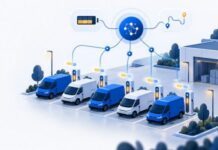
Ultra-fast chargers equipped with bidirectional power flow capabilities can enable seamless V2G operations. This means that the same infrastructure that rapidly charges vehicles could also manage energy exchange between EVs and the grid. By leveraging real-time data and artificial intelligence, energy providers can coordinate when to charge EVs at maximum power and when to draw energy back, optimizing grid performance while minimizing energy waste.
For example, during off-peak hours, EVs could be charged using surplus renewable energy from solar or wind farms. Later, during high-demand periods, stored electricity from these vehicles could be supplied back to the grid. This not only reduces grid congestion but also supports a more balanced and efficient energy system.
Infrastructure and Policy Challenges
Despite its potential, the widespread deployment of ultra-fast charging and V2G systems faces several challenges. One major issue is grid capacity, ultra-fast chargers require substantial power input, often equivalent to what an entire residential building consumes. To support large-scale installation, utilities must invest in smart grid technologies, energy storage systems, and renewable energy integration.
Another challenge is standardization. Different automakers and regions currently use varying charging protocols and connector types. Achieving global interoperability is essential for ensuring that EVs can access ultra-fast and V2G-compatible charging stations seamlessly.
Moreover, the economic model for V2G participation is still evolving. Incentives, tariff structures, and battery degradation concerns must be addressed to make the technology commercially viable for both consumers and energy providers. Governments and industry regulators play a vital role in shaping policies that encourage collaboration between automakers, utilities, and infrastructure developers.
The Path Forward: Smarter, Cleaner Mobility
As nations aim for carbon neutrality, the convergence of ultra-fast charging and V2G technology will be crucial in realizing sustainable mobility. India, for instance, is making strides through initiatives like the FAME (Faster Adoption and Manufacturing of Electric Vehicles) scheme and investments in smart grid modernization. With a growing EV market, India’s integration of renewable energy and digital grid management provides an ideal foundation for deploying V2G-ready ultra-fast charging networks.
Globally, partnerships between automakers, technology companies, and power utilities are already driving innovation in this space. Future charging networks are expected to be highly intelligent, capable of predicting energy demand, scheduling optimal charging times, and integrating renewable energy sources automatically.
Conclusion
Ultra-fast EV charging and Vehicle-to-Grid integration represent more than just technological upgrades they signify a shift toward an intelligent, sustainable energy ecosystem. By enabling rapid charging and two-way energy exchange, these innovations not only make electric mobility more practical but also strengthen the stability and efficiency of power grids.
As the world moves toward widespread EV adoption, the collaboration between energy providers, automakers, and policymakers will determine how quickly these systems become mainstream. When executed effectively, this integration can redefine the relationship between transportation and energy, transforming every electric vehicle into a key player in the global clean energy transition.


 gain momentum worldwide, the focus is shifting from adoption to infrastructure specifically, how to charge vehicles faster.)