
Delhi government is preparing to launch EV Policy 2.0 with a strong focus on building a structured battery recycling framework as electric vehicle adoption continues to grow in the national capital. The new policy aims to address the environmental challenges associated with used lithium-ion batteries and strengthen the overall EV ecosystem.
As part of the plan, the government is expected to introduce an organised system for battery collection, recycling and safe disposal. Reports suggest that the Delhi Pollution Control Committee (DPCC) may act as the nodal agency to oversee battery recycling operations and ensure environmental compliance.
The policy also highlights the need to prevent unsafe disposal of EV batteries in informal scrap markets. Officials are considering measures such as certified recycling centres, proper collection channels and improved monitoring systems to ensure responsible battery lifecycle management.
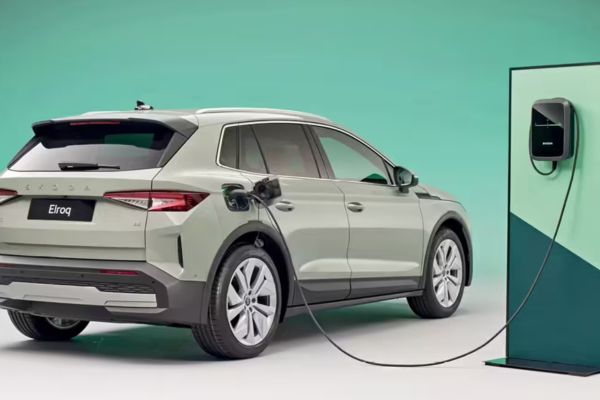
Apart from recycling, EV Policy 2.0 is expected to significantly expand charging infrastructure across Delhi. The government plans to increase the number of public charging stations at residential complexes, commercial areas, parking facilities and government locations to support the rising EV population.
The draft policy may also continue incentives and introduce new measures to accelerate EV adoption. Along with financial benefits, the government is also focusing on improving last-mile connectivity through electric mobility solutions such as small EV vans and better route planning for e-rickshaws.
Overall, Delhi EV Policy 2.0 is expected to strengthen clean mobility efforts by combining EV adoption, charging expansion and responsible battery recycling. The policy is seen as an important step toward reducing pollution and making Delhi a leading city in sustainable transportation.